Prize(s) Winners in Conceptual Designs-Projects in Development / Exterior Architectural Illumination
University / School Name National Technical University of Athens
Lead Designers Emmanouil Ashkar
Professor Names Sofia Tsiraki
Completion Date September 2025
Project Location Folegandros island, Cyclades, Greece
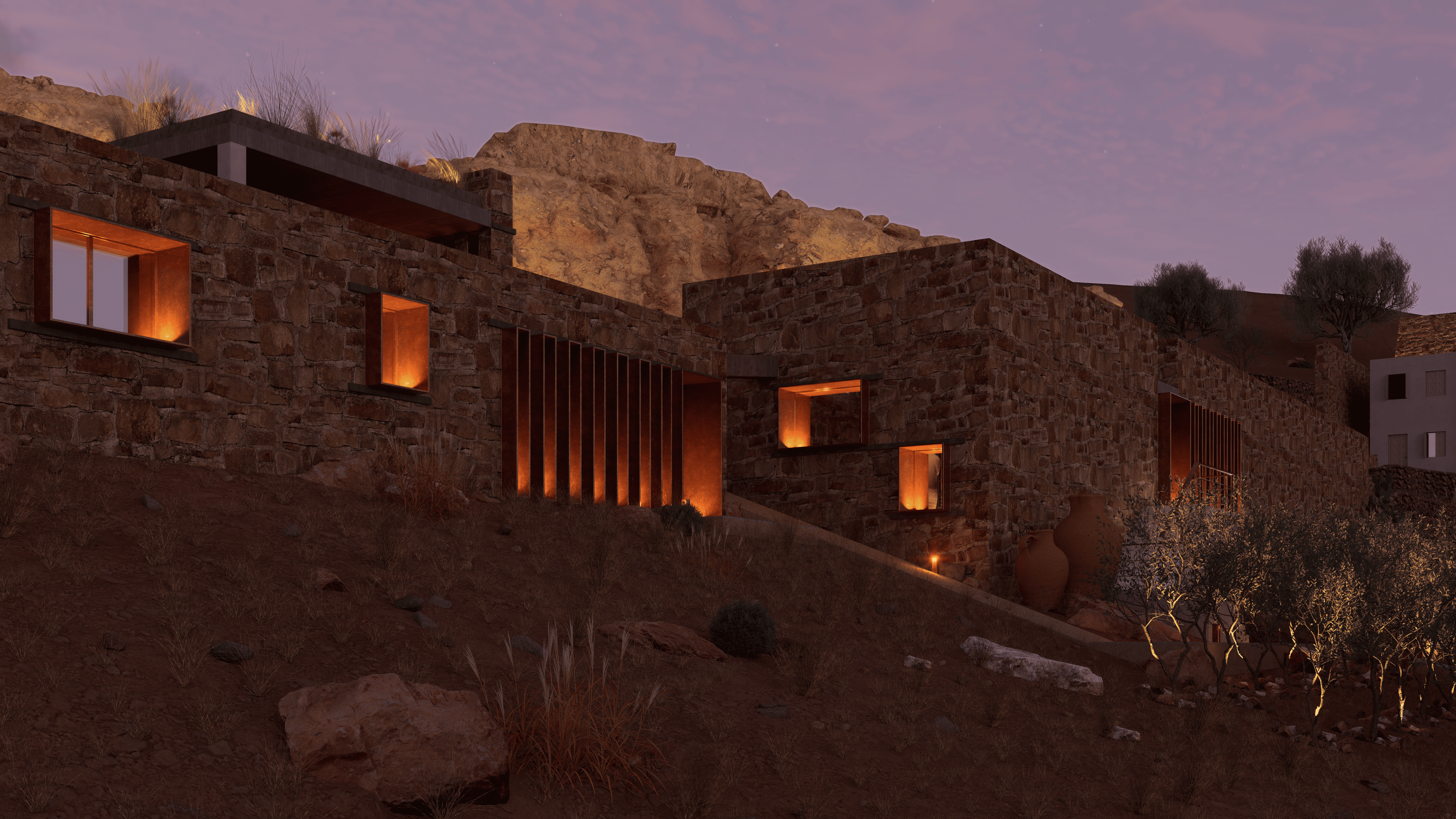
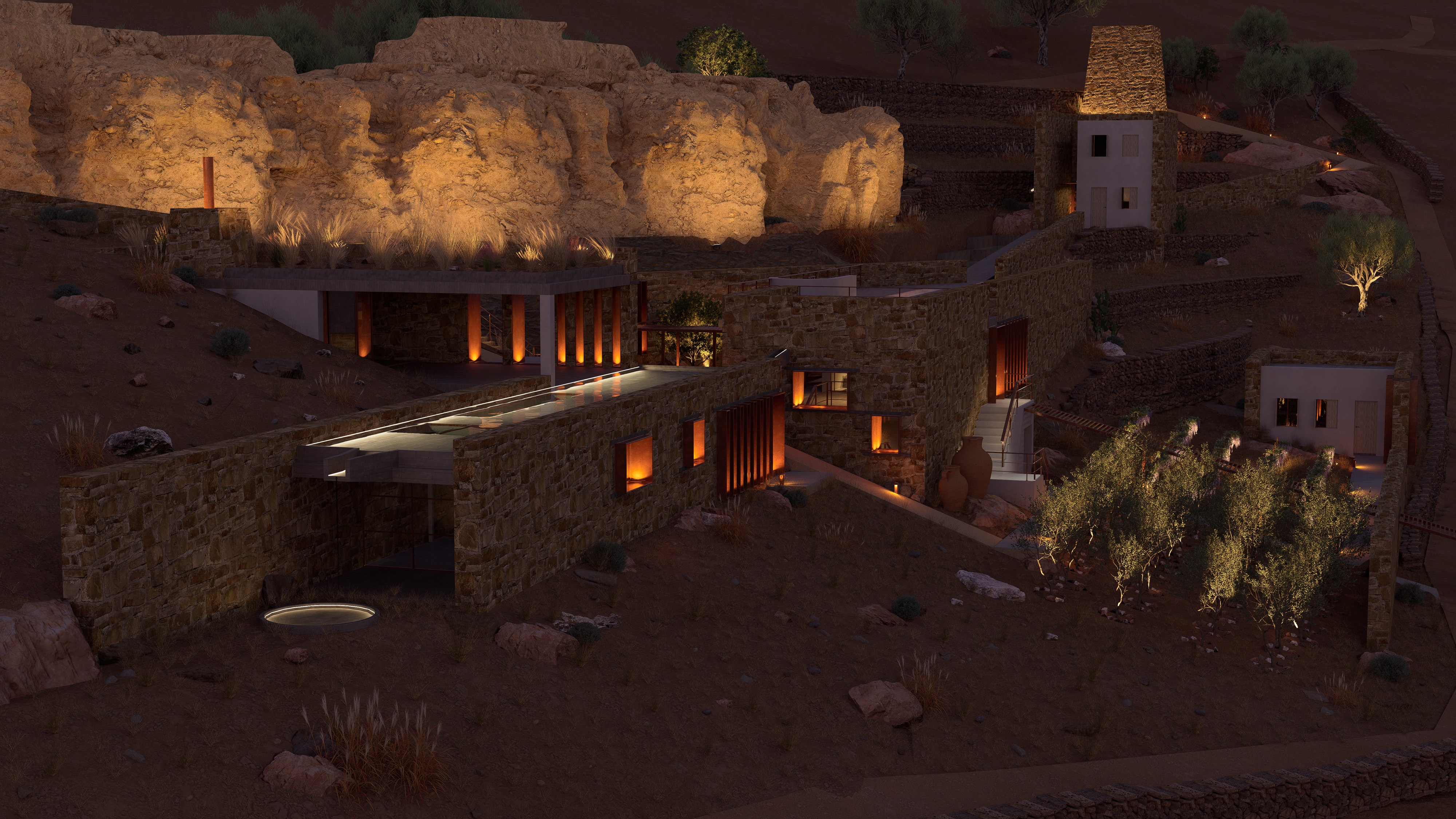
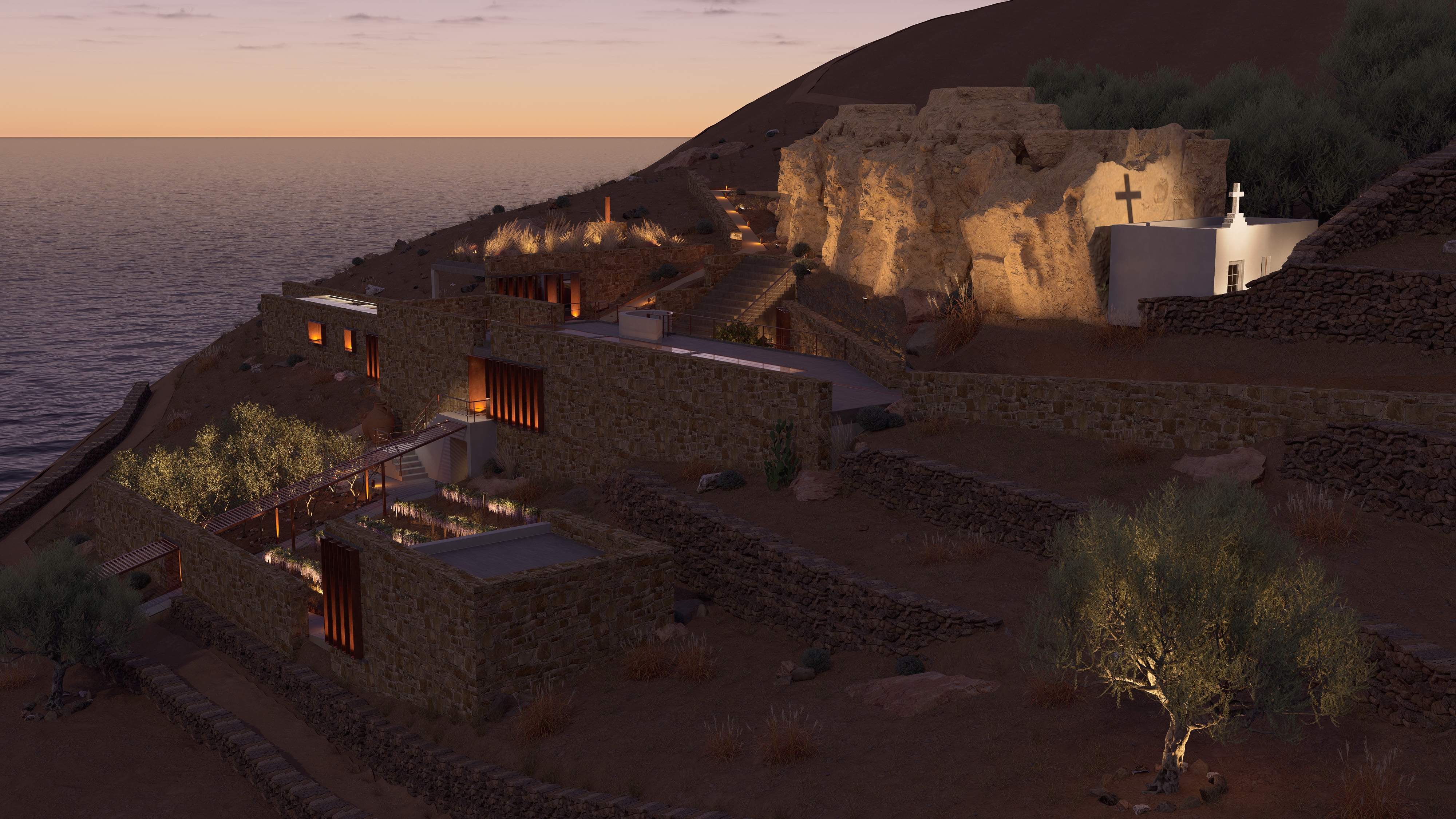
Entry DescriptionInspired by the scattered lights of Chora at night, this lighting proposal for a cultural centre in Folegandros translates the island’s nocturnal character into a deliberately composed neighbourhood of light. Fragmented volumes, dry-stone walls and partially underground spaces connect cultural activities with the Cycladic landscape.
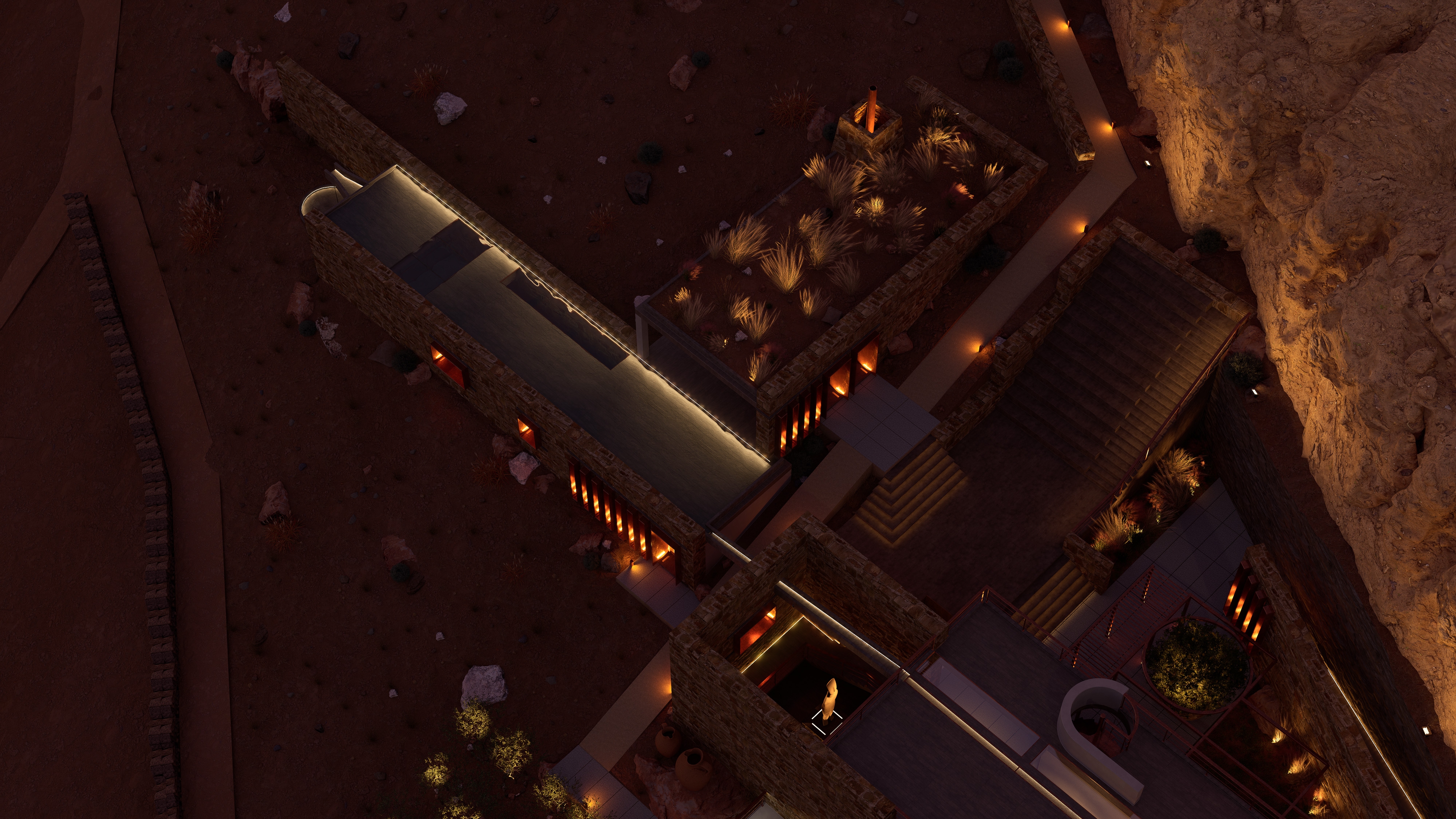
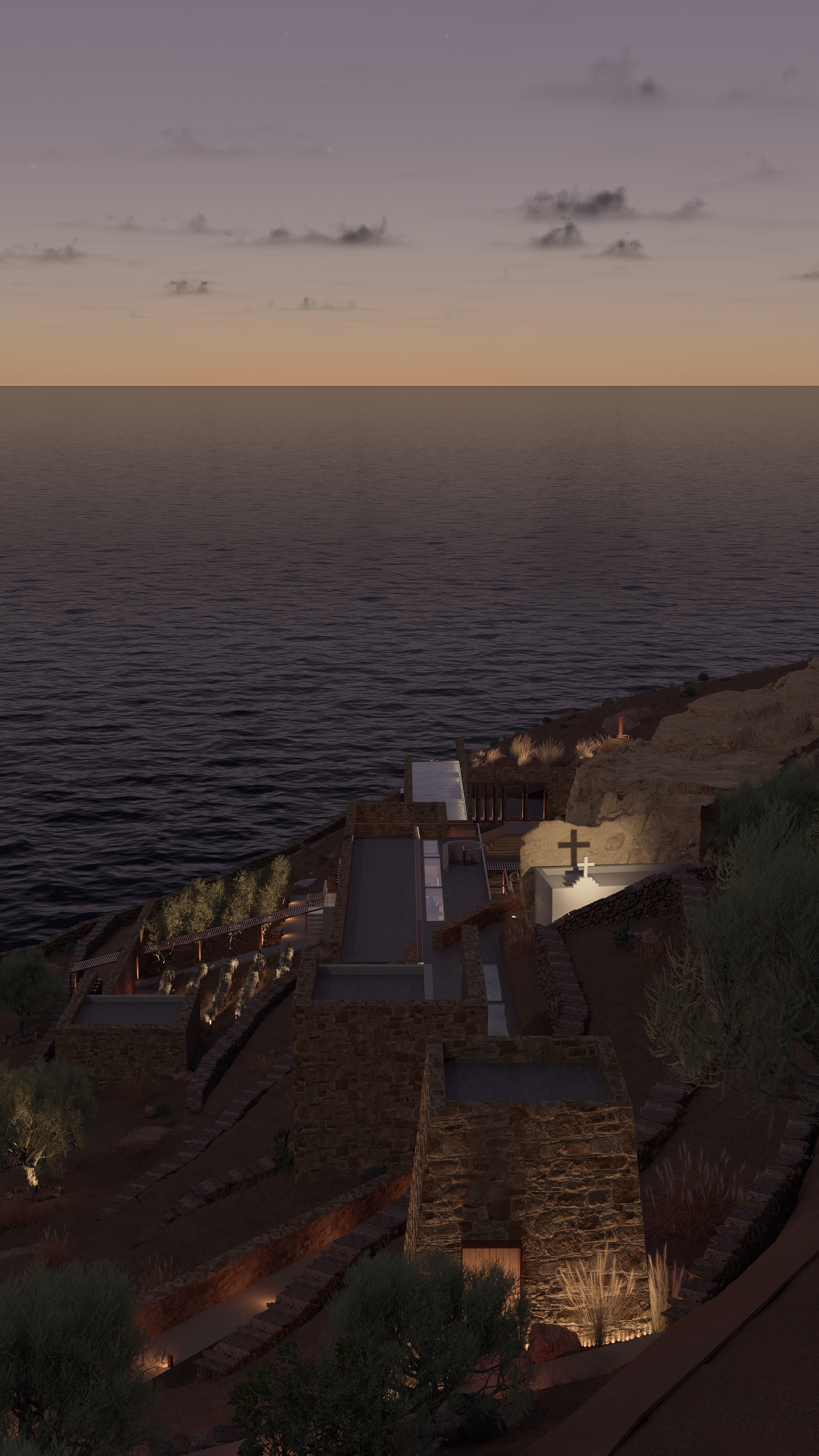
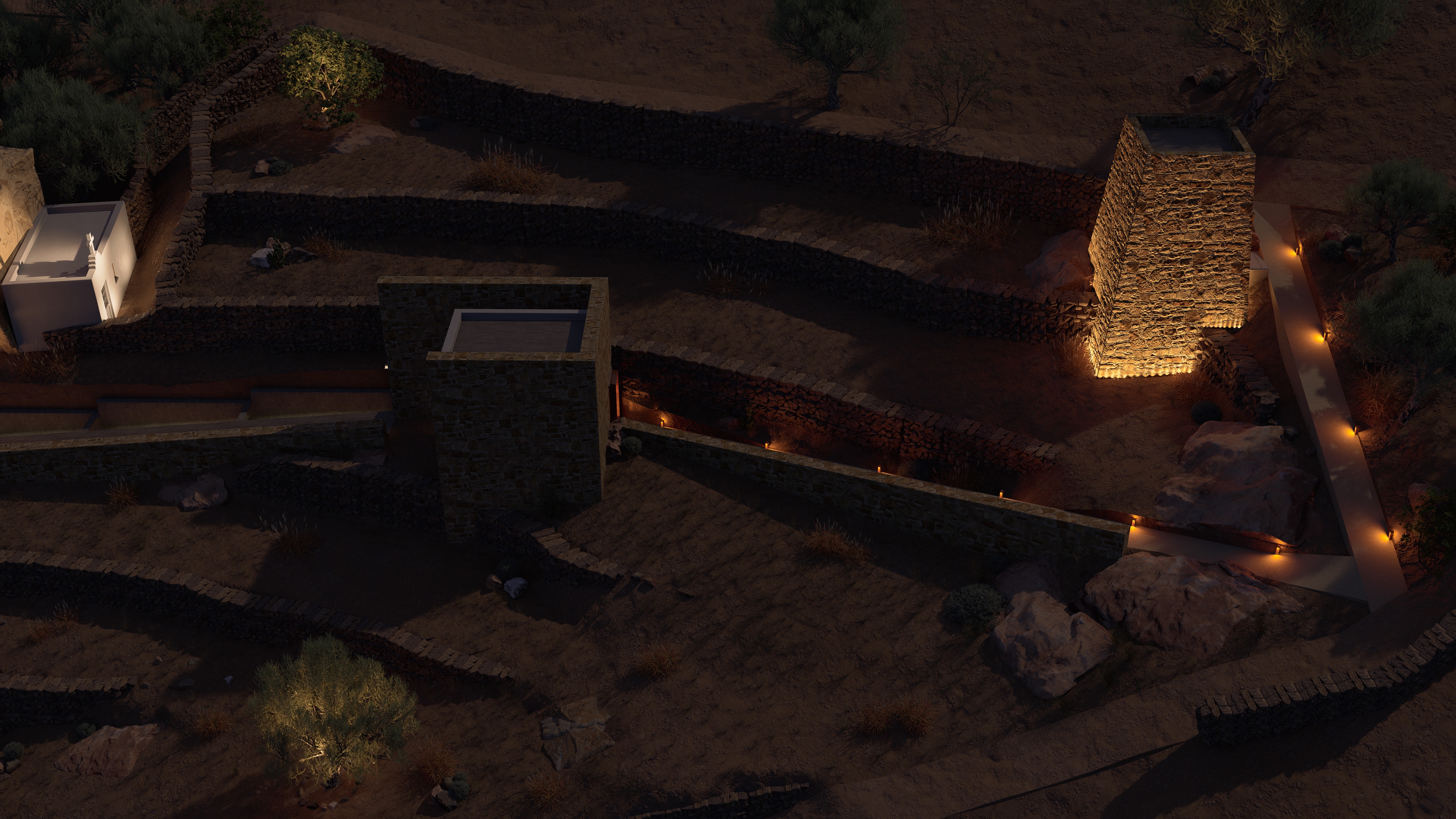
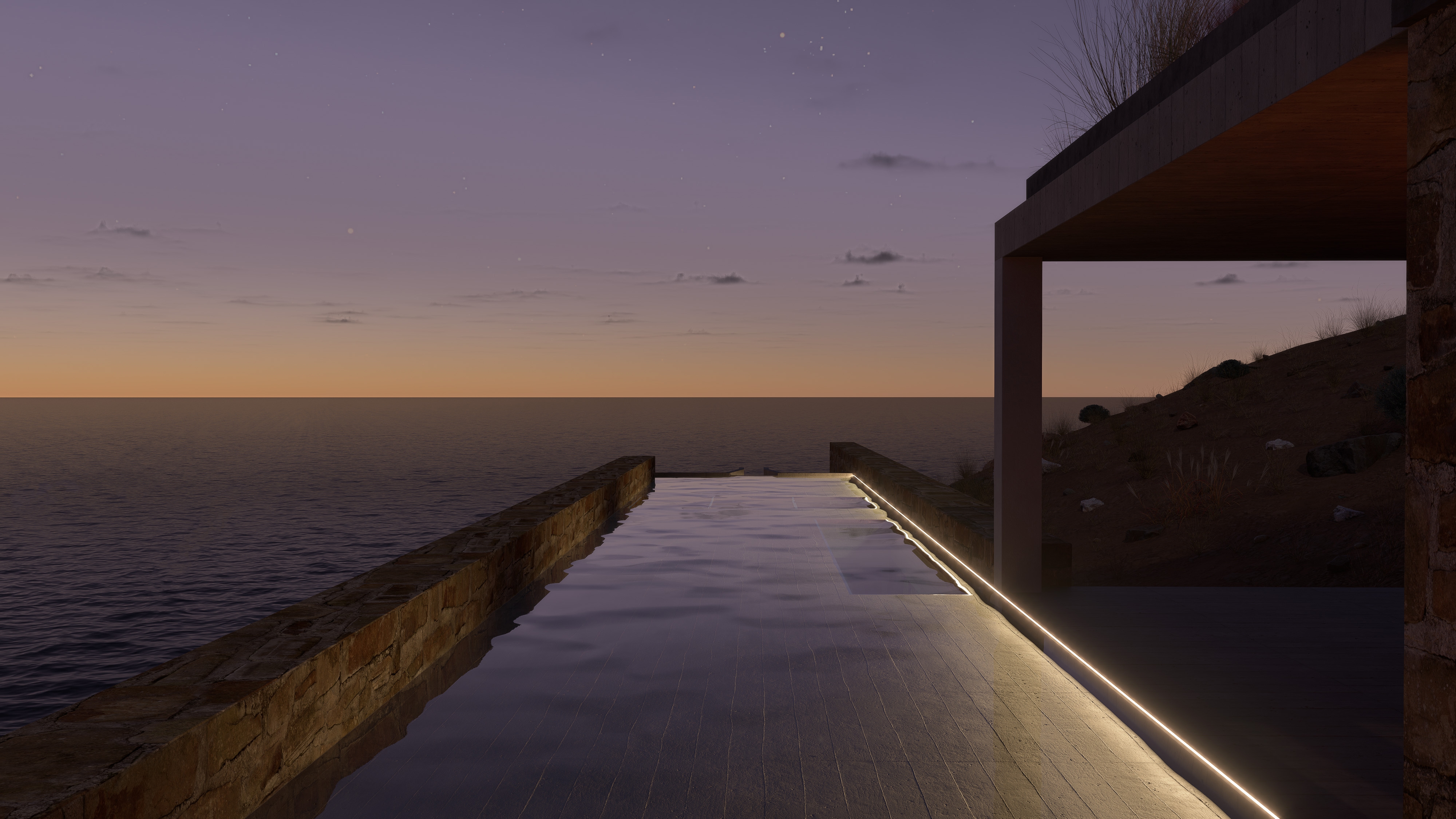
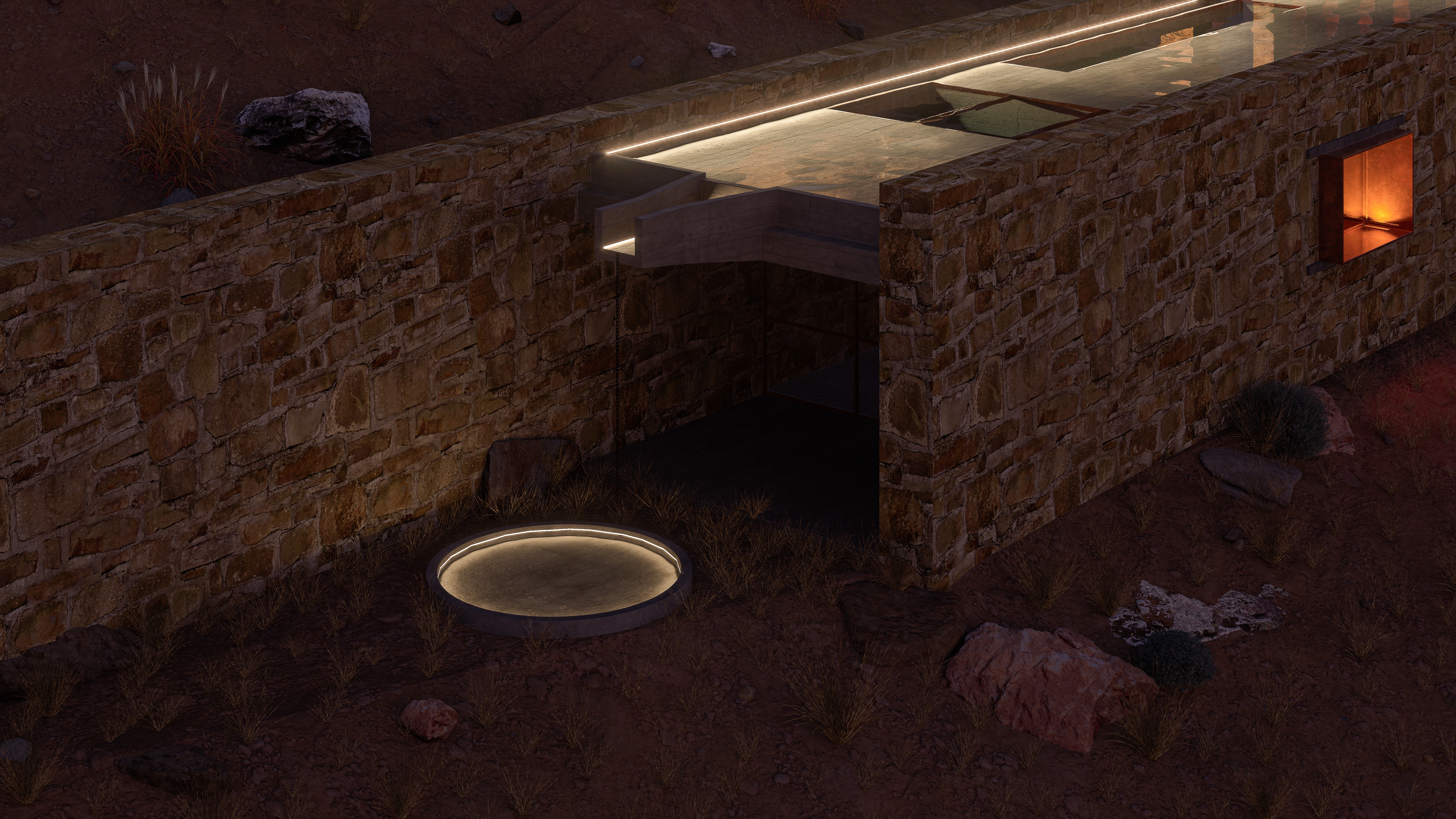
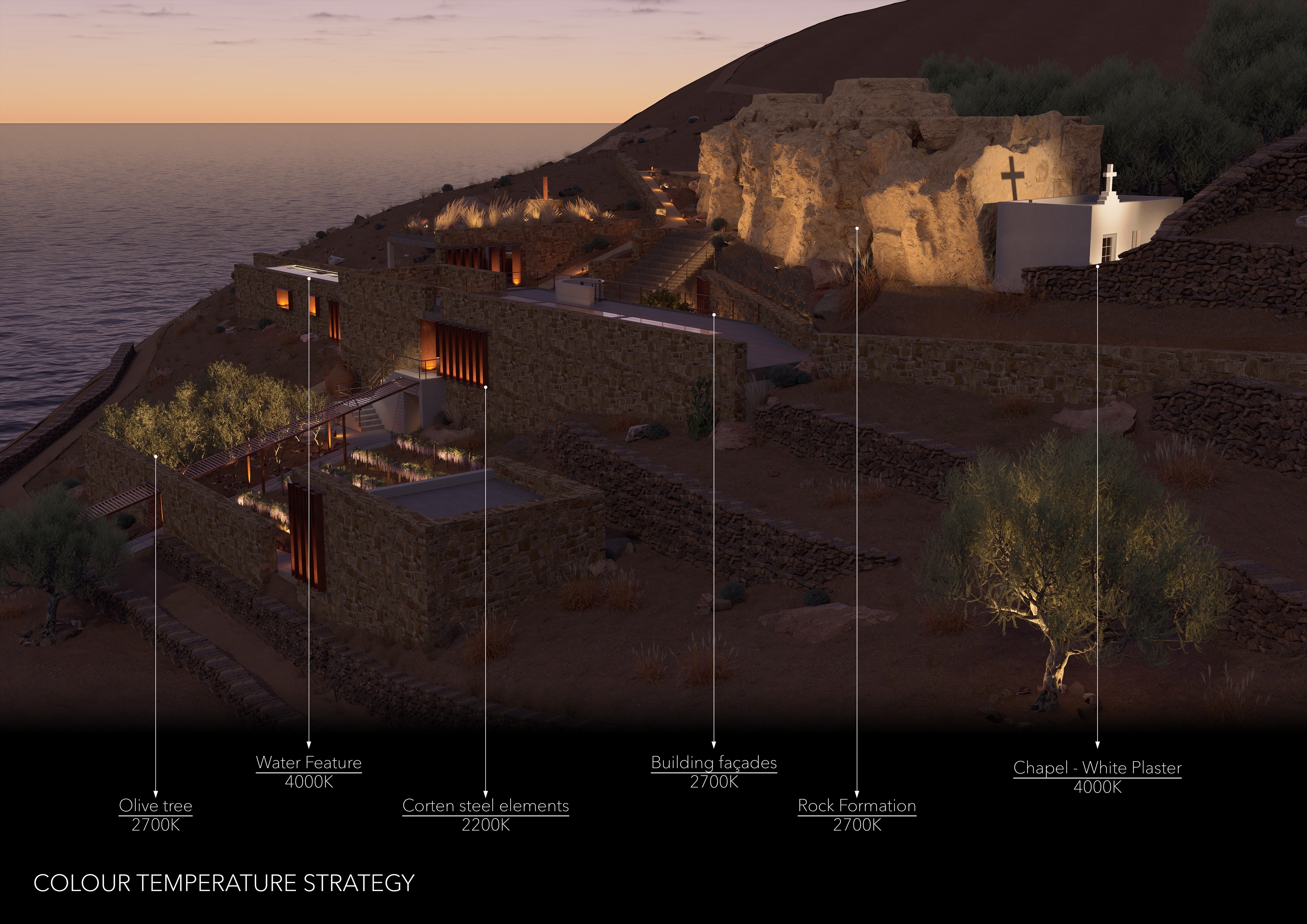
Colour temperature follows materiality: 2200 K for Corten, 2700 K for stone and vegetation, 3000 K for exposed concrete and interiors, and selective 4000 K accents for white plaster and water. A hierarchy of intensity distinguishes the chapel, dovecote and rock, while the chapel cross casts a symbolic shadow onto the rock. Linear light traces water and selected paths, expressing the fluidity of movement through ramps, courtyards and terraces.
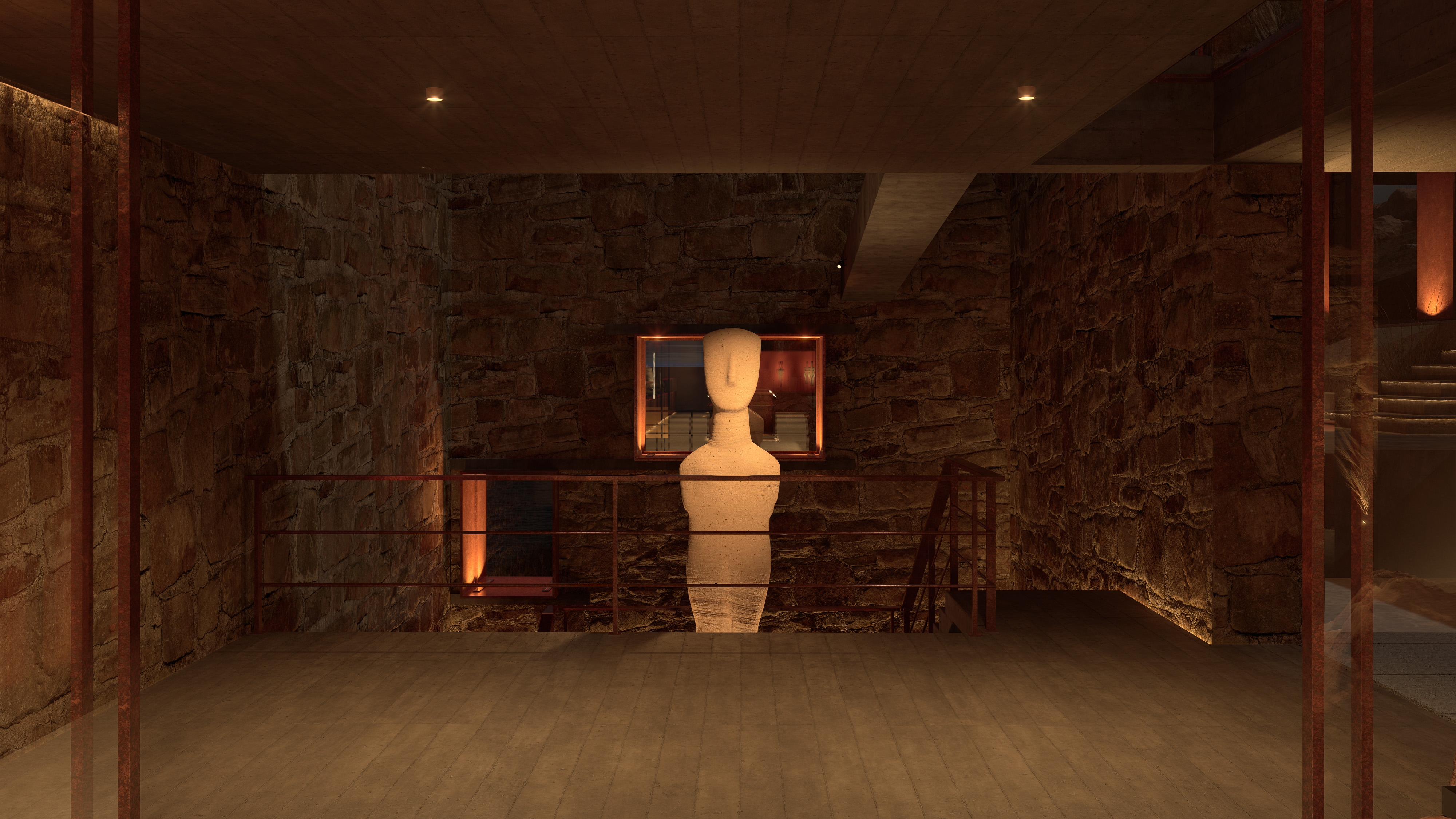
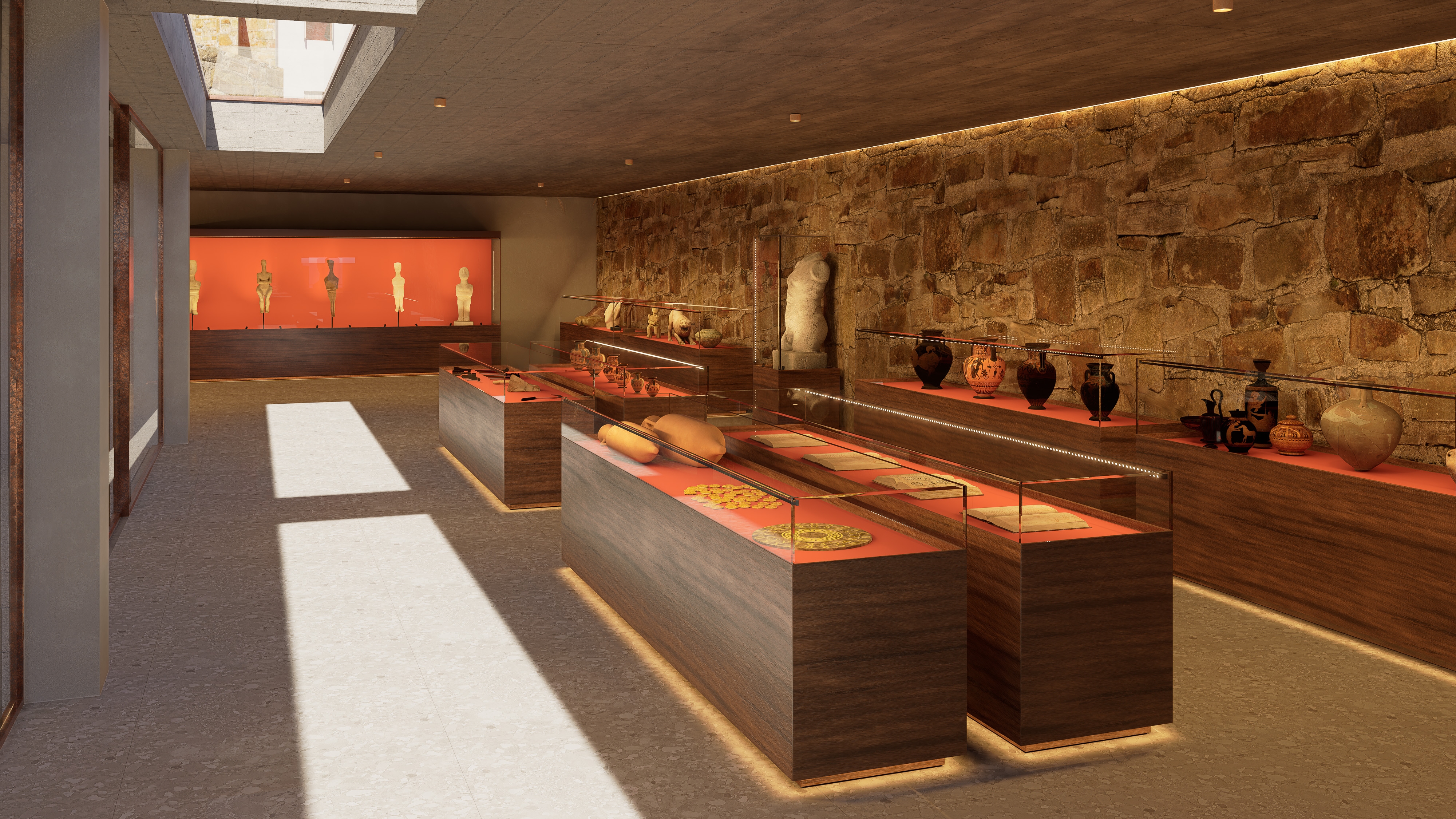
In the museum, focused display-case lighting and three-point illumination reveal the exhibits and the central sculpture. Theatre scenes adapt to audience arrival, lectures and performances, while temporary coloured lighting transforms the rock during events. Integrated sources, controlled beams and darker intervals seek to preserve the night-time landscape. DIALux calculations for selected spaces, construction details and renderings support the proposal.
Sustainability ApproachAs an unbuilt academic proposal, the project addresses sustainability through its lighting strategy rather than measured operational results. The approach prioritises light where it supports movement, activities and the appreciation of exhibits, while retaining darker areas within the landscape.
Selective illumination, controlled beam direction and a hierarchy of light levels aim to limit unnecessary spill light and excessive brightness. LED sources and lighting scenes adapted to different uses offer a basis for reducing energy demand. Dimming allows lighting output to respond to activities rather than maintaining every space at full intensity.
The intention is to balance visual comfort, cultural use and respect for the island’s night-time environment.