Prize(s) Winners in Religious & Spiritual Site Lighting Design
Lighting Design/Product Company Gieselmann
Lead Designers Moritz Gieselmann
Other Designer's names Gottfried Pfeiffer - technical design, Herbert Fischer - project coordination
Client Pfarre Selige Schwester Restituta
Photo Credits Moritz Gieselmann
Completion Date August 2026
Project Location Pfarrgasse 18, A-2340 Mödling
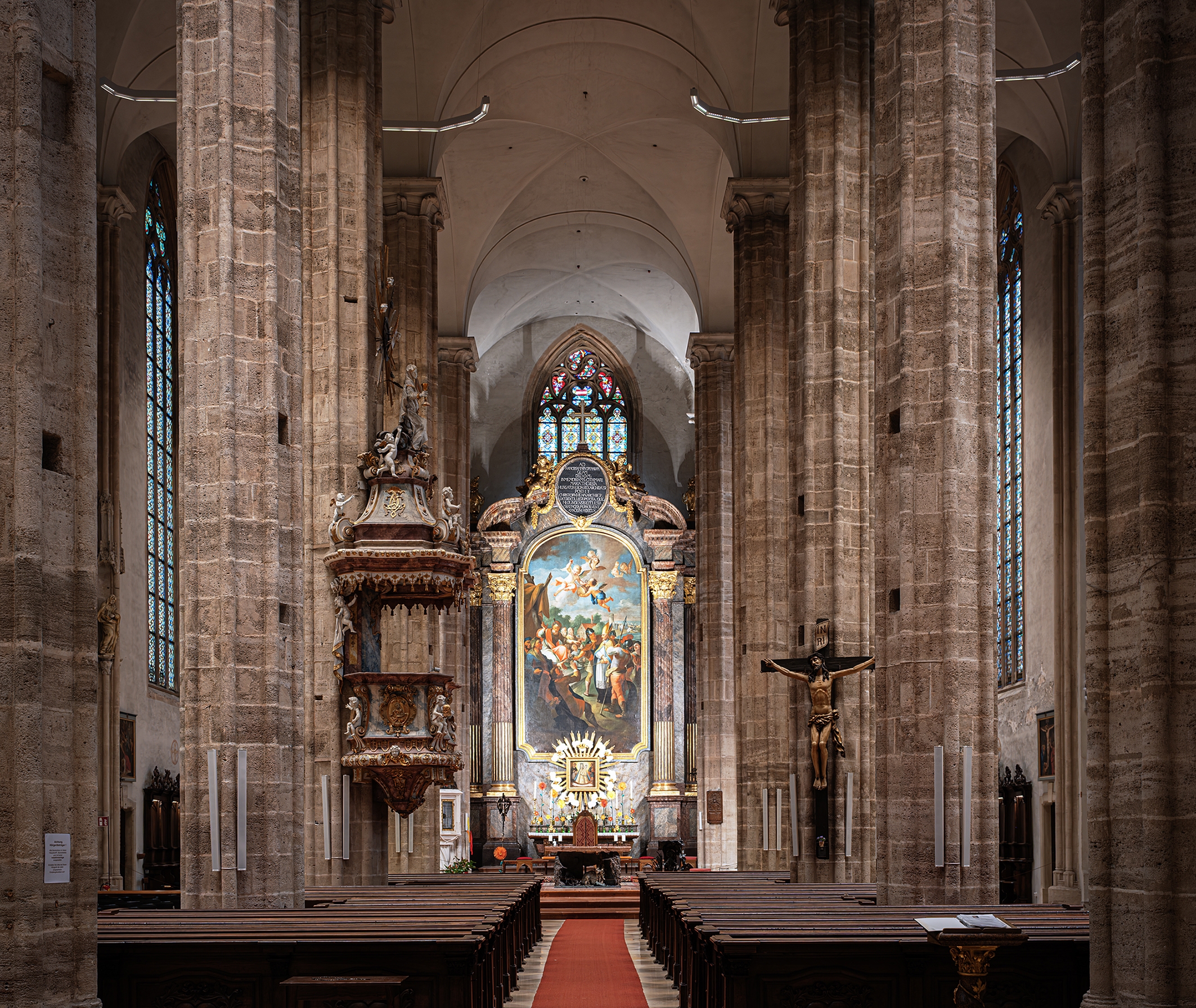
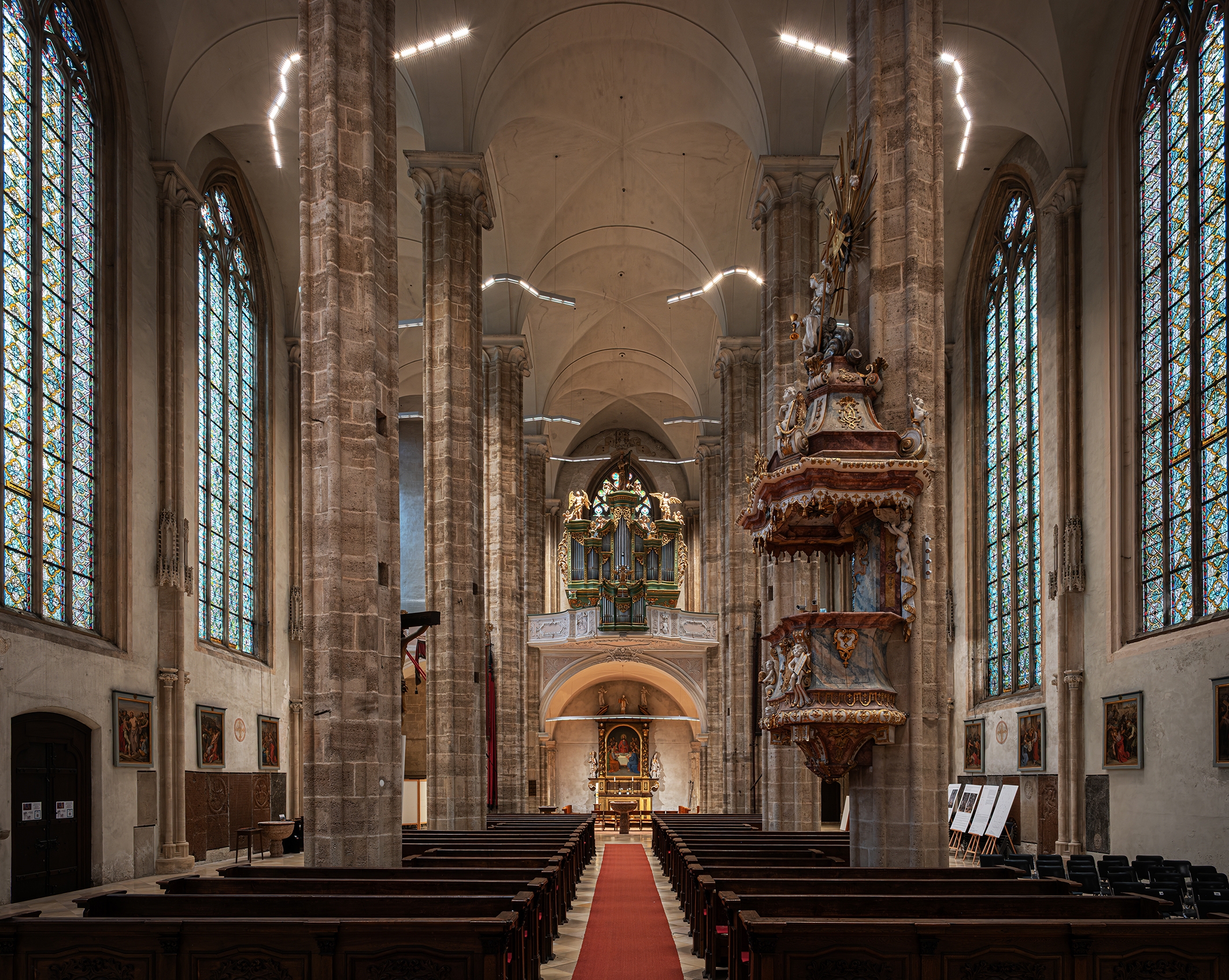
Entry DescriptionLights for St Othmar
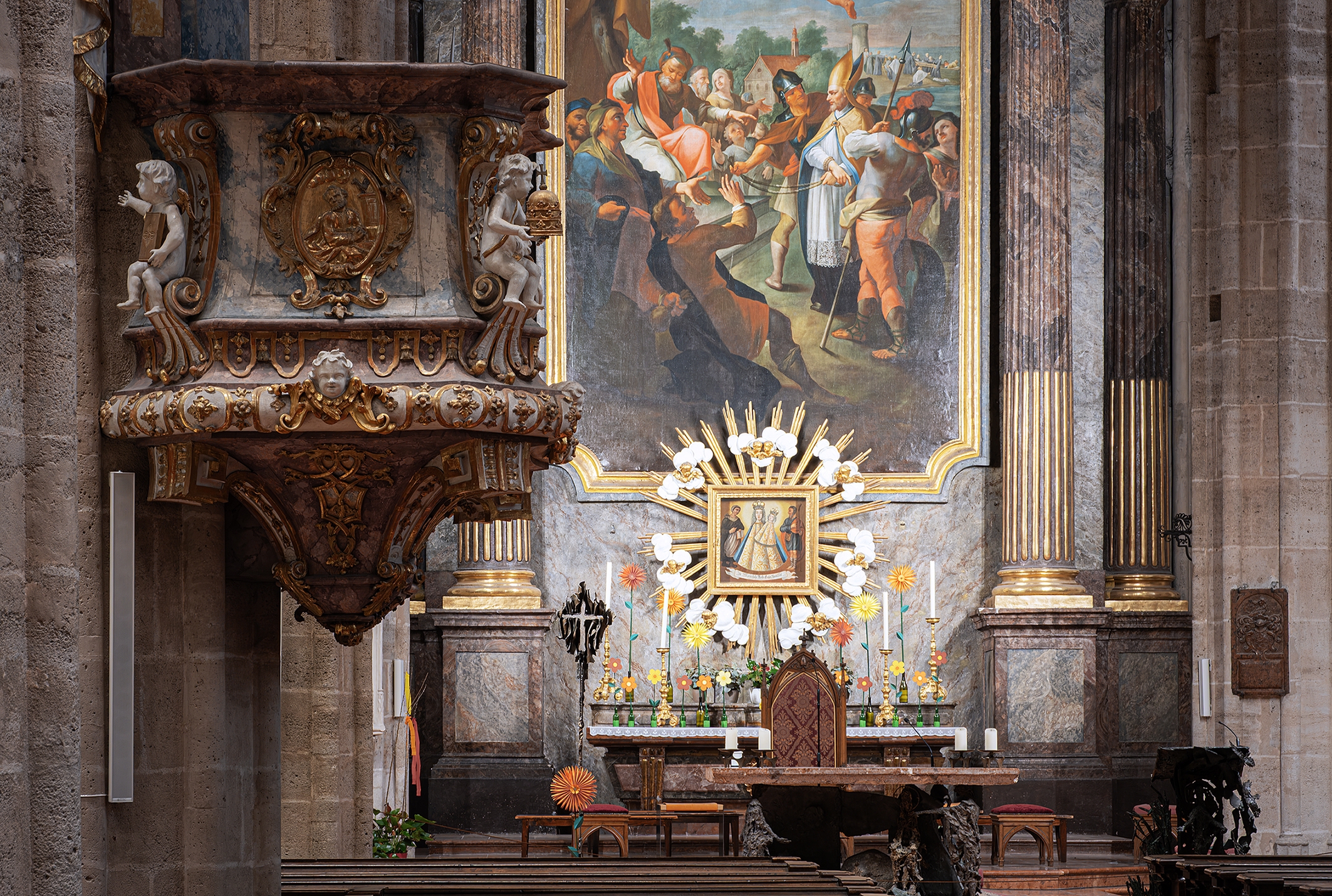
St Othmar has evolved from a modest Romanesque church in the 9th century, through phases of construction, destruction and adaptation, into the proud parish church of modern-day Mödling.
Daylight has always been the most important source of light in church interiors. Candles and oil lamps served ritual or liturgical purposes rather than providing significant illumination.
Since the invention of electric light, the requirements for lighting in church interiors have undergone a fundamental change: churches should be as visually accessible on dark winter days as they are on light-filled summer days.
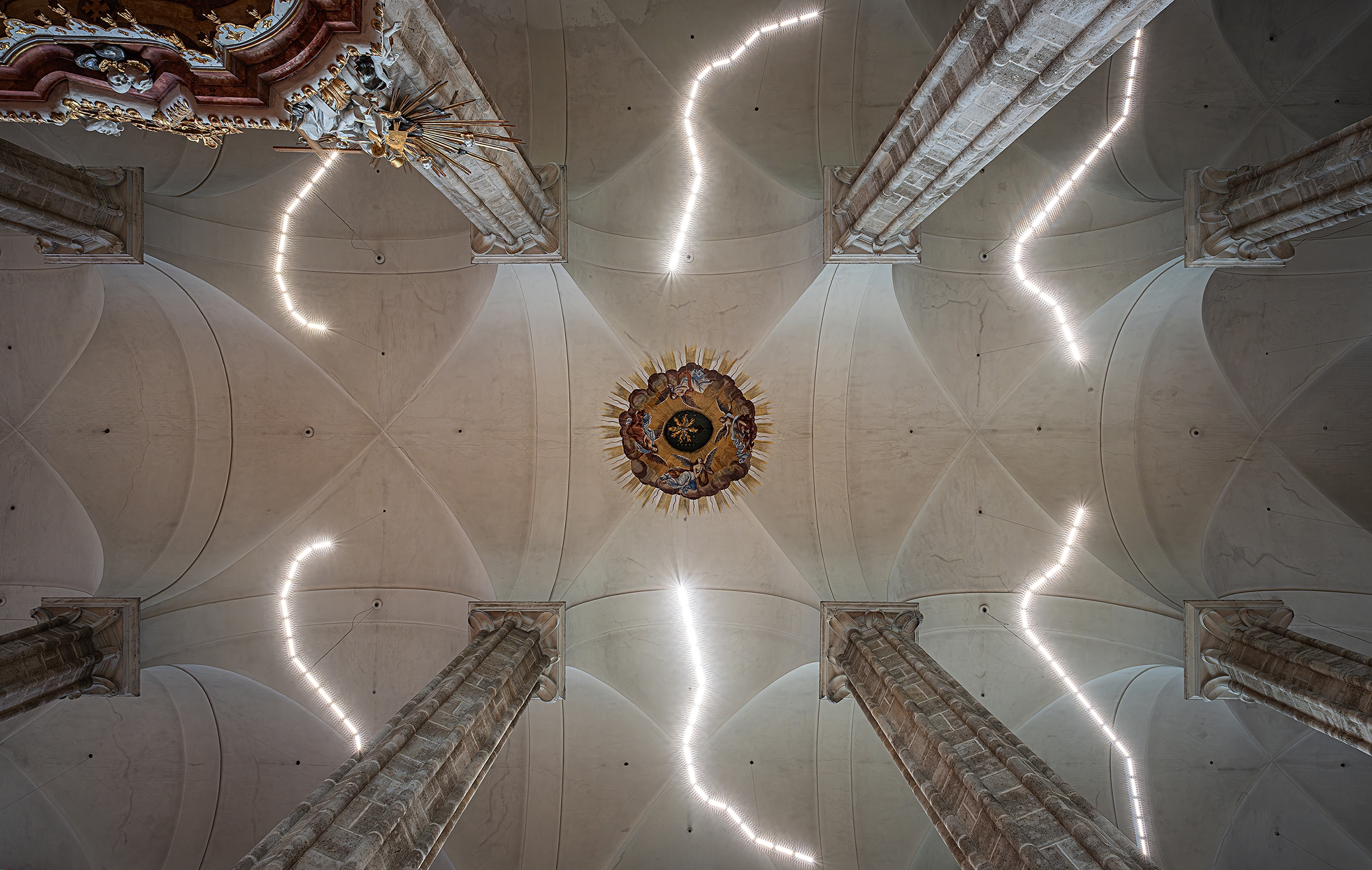
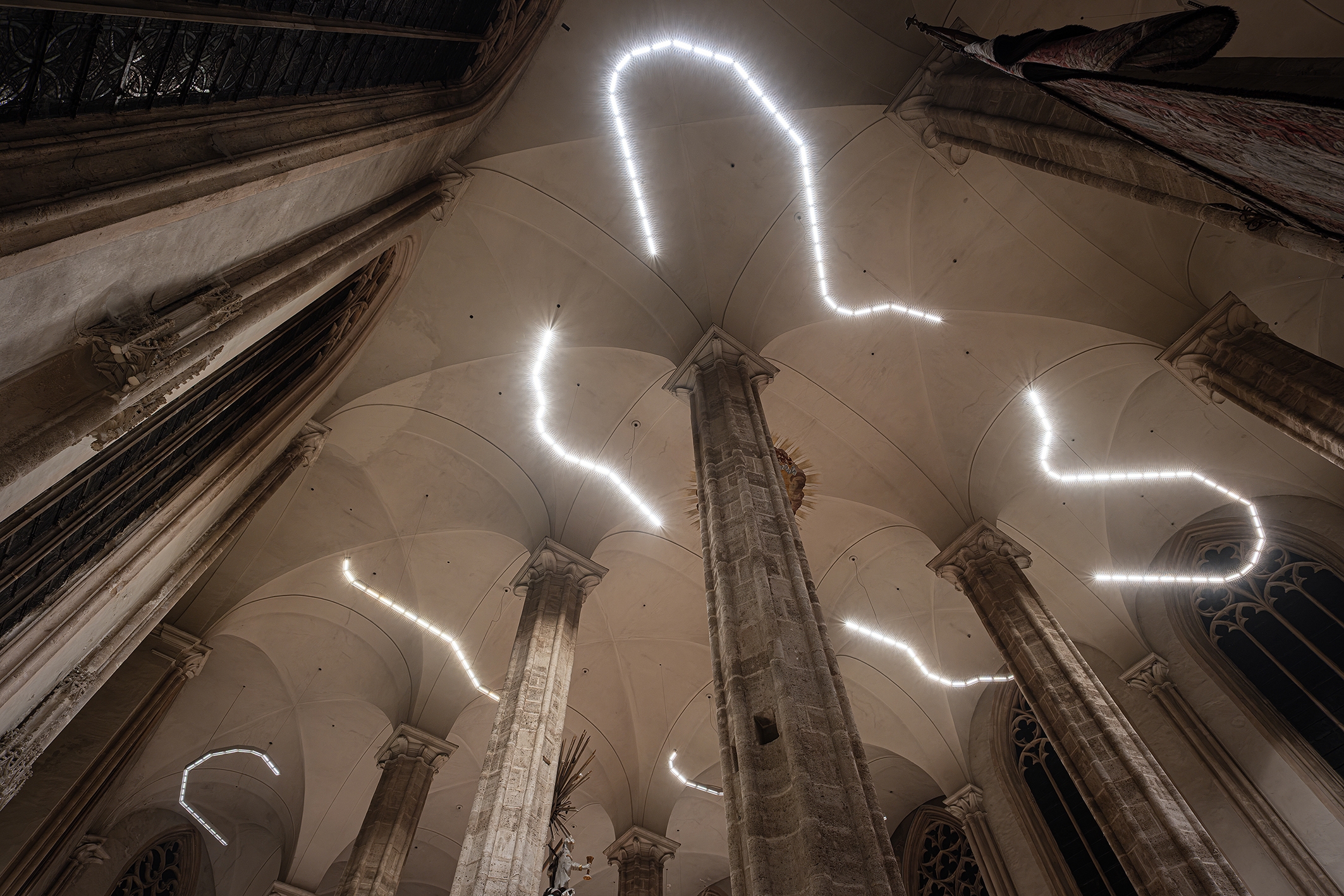
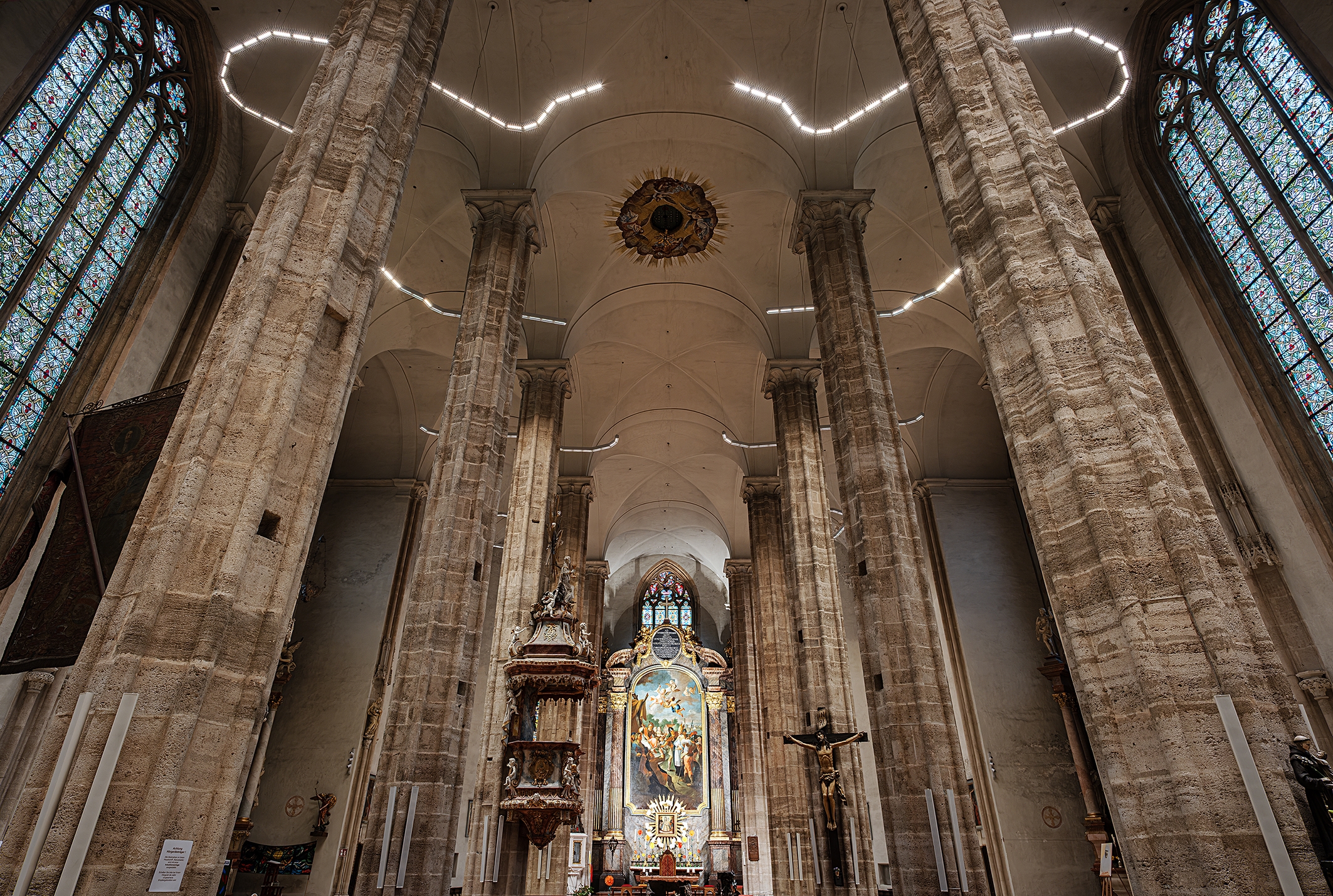
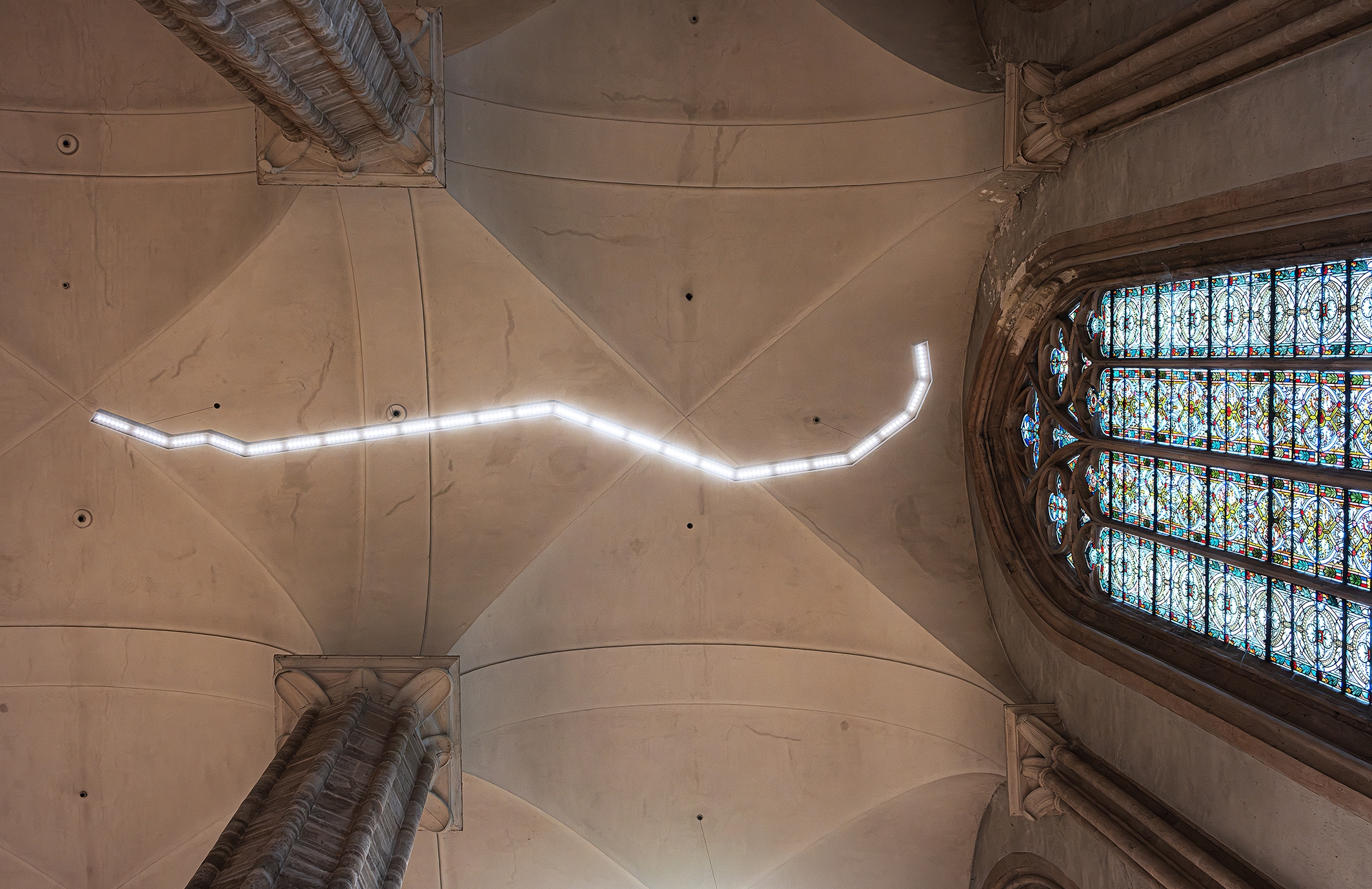
The basic dimensions of the new luminaires correspond to those of the original Romanesque building, whilst the design of the luminaires incorporates the Golden Ratio: the proportions of the lengths of the individual sections of the luminaires follow the Fibonacci principle. The number twelve, significant in the Catholic tradition, determines the angle – 150° – at which the sections of the luminaires are connected to one another.
The aim was to minimise any impact on the architectural fabric: there are existing openings in the church ceiling, and only these were used to accommodate the new lights; this meant that installation could be carried out without scaffolding or cherry pickers.
The church lighting is controlled via Casambi. In close collaboration with the pari
Sustainability ApproachLighting for St Othmar – Considerations on Sustainability
The architectural integrity of the church should remain undisturbed: there are existing openings in the church ceiling, only these were used to suspend the luminaires to a height of 15,70m. No scaffolding or cherry pickers werde needed.
The luminaires contain the latest generation of LEDs: 178 lm/W, CRI > 90.
It is difficult to quantify how much electricity the new system saves: it is dimmed to 60 per cent of its total output, and in most scenarios many groups are set to even lower levels. During the day, when there is no service taking place, only lights 3 and 4 are working, along with the spotlights for the high altar.
The design of the luminaires is laid out to ensure maximum circulation of air around the LEDs to achieve an operating life of significantly more than the usual 50,000 hours.
The connected load of the old system w
Company Descriptionfreelance lighting designer