Prize(s) Honorable Mentions
Lighting Design/Product Company Anastasia Golovanova
Lead Designers Anastasia Golovanova
Client Moscow Museum of Modern Art
Photo Credits Courtesy of MMOMA
Completion Date October 14th, 2025
Project Location Moscow, Russia
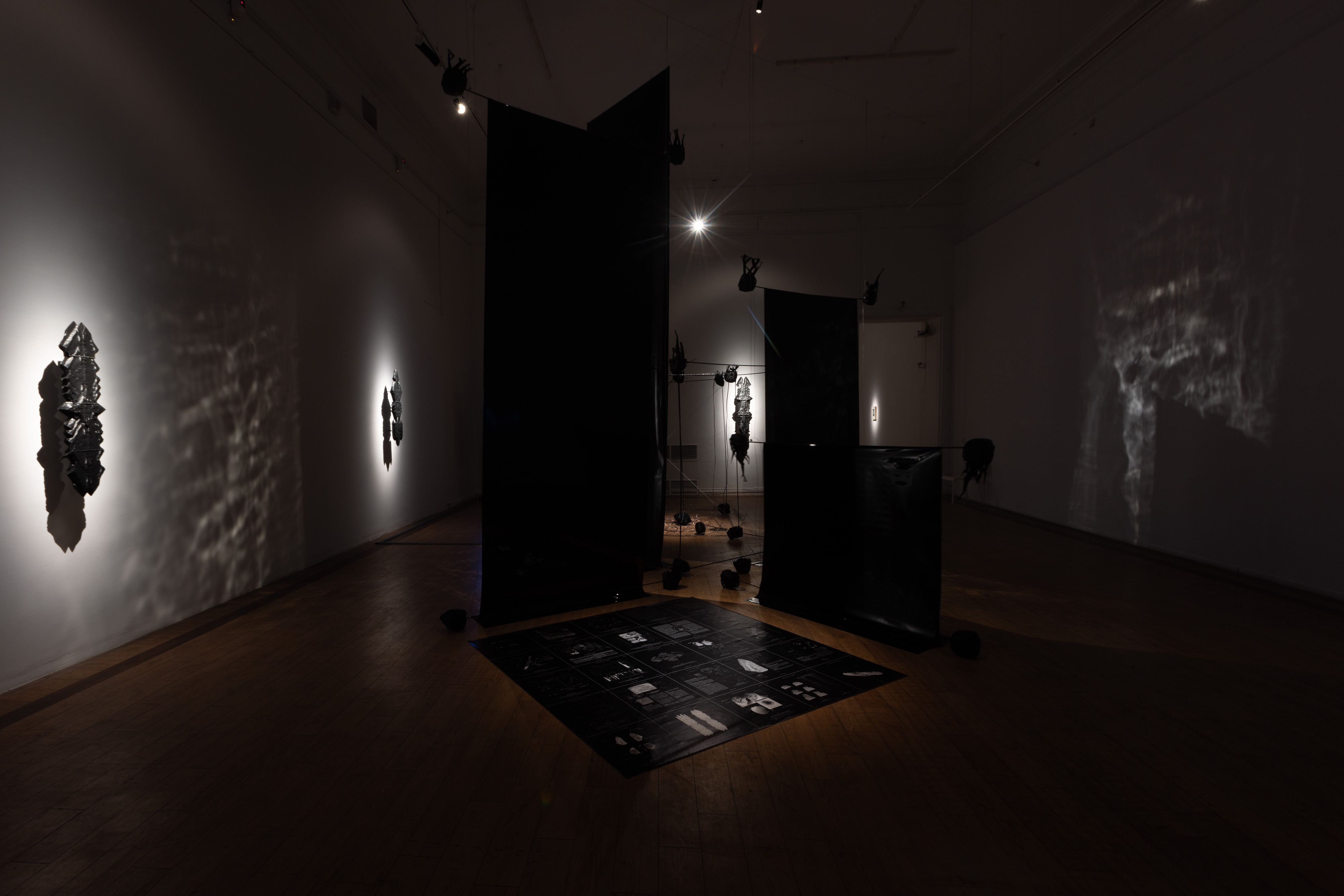
Entry DescriptionSmart Home. Sound Art in the Museum Space at the Moscow Museum of Modern Art explored the synthesis of science, technology, and sound art. The historic mansion was transformed into a living sonic organism combining sound installations, cyber-organic sculptures, experimental soundscapes, AI and biosensor-based works, and contemporary art.
The lighting concept was inspired by wandering through a metaphorical home. By reducing visual noise, light enhanced sensory perception and shifted attention toward the artworks and soundscape.
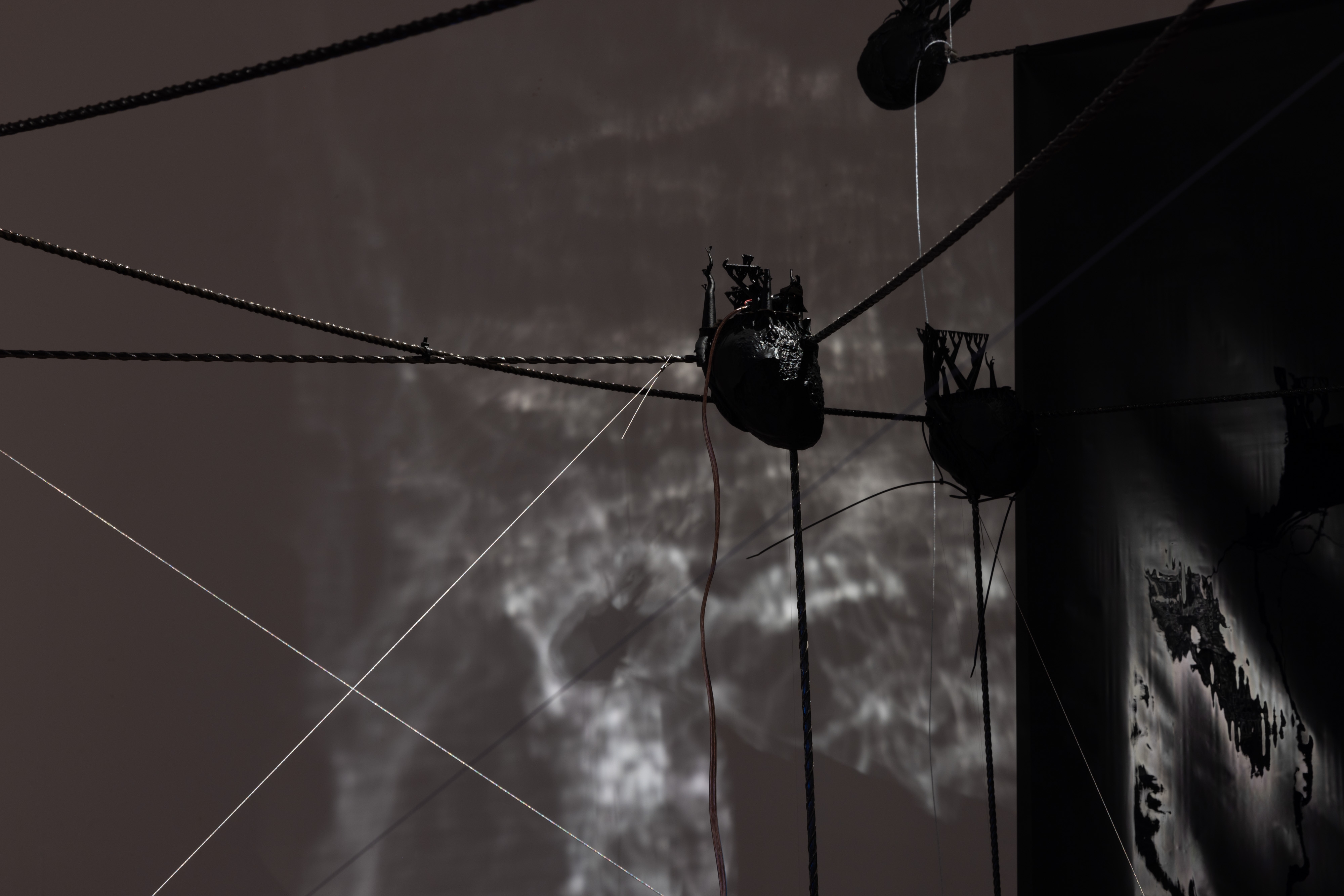
Together with curator Gleb Glonti, we chose not to emphasize the mansion’s architecture, but to make light serve the artworks. Narrow-beam optics and precisely calculated angles revealed their textures and material qualities. Illumination was significantly reduced, making darkness part of the sensory experience.
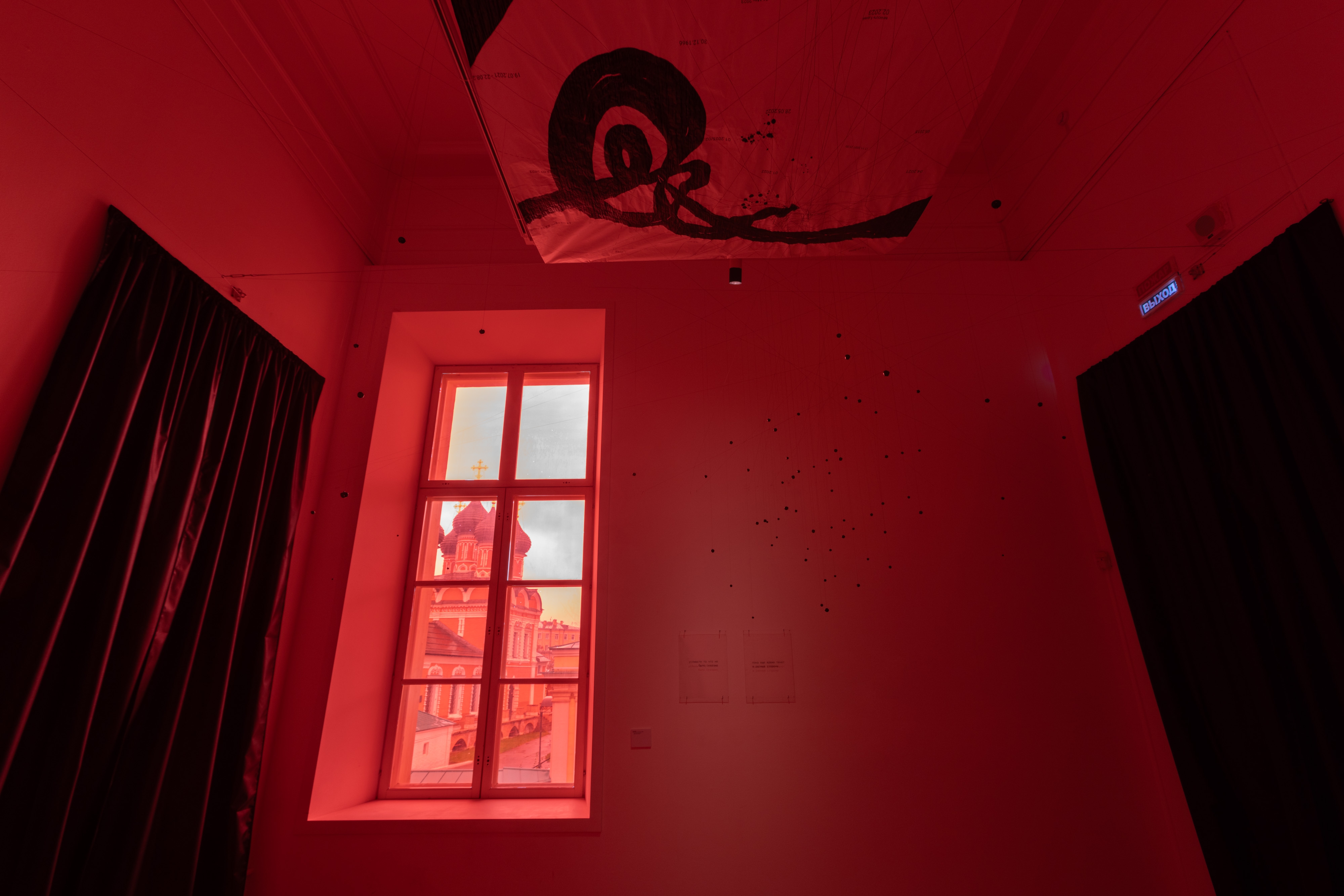
For margaritki, colored light and additional filters connected separate fragments while responding to the transition from daylight to evening. The final gallery, featuring Stridulations 2.0. Love Songs of Grasshoppers by Petr Aidu and Viktor Glazunov, created a deliberate contrast by simulating an intense summer day.
A collaboration with Roman Golovko introduced a total installation based on natural caustic effects generated by the material itself, turning light from illumination into an active spatial medium.
Sustainability ApproachDimmable LED luminaires with adjustable beam angles are designed to adapt to the changing requirements of exhibition spaces and can be reused across different installations. Their optical systems enable precise light distribution, helping to reduce unnecessary energy consumption while maintaining the required lighting levels. The luminaires are also designed with long-term use in mind: damaged components can be repaired or replaced by the manufacturer, extending the service life of the equipment and reducing the need for premature replacement.