Prize(s) Honorable Mentions
Lighting Design/Product Company Sanseshi Environmental Art Design Institute
Lead Designers Hui Zou,Zhongqiang Qu,Yutian Long,Yunpeng Shen,Zhedong Wei
Other Designer's names Ting Yu
Architecture Company Wutopia Lab
Client Shanghai Dobe Cultural and Creative Industry Development (Group) Co., LTD
Completion Date 2023
Project Location Huangpu District, Shanghai, China
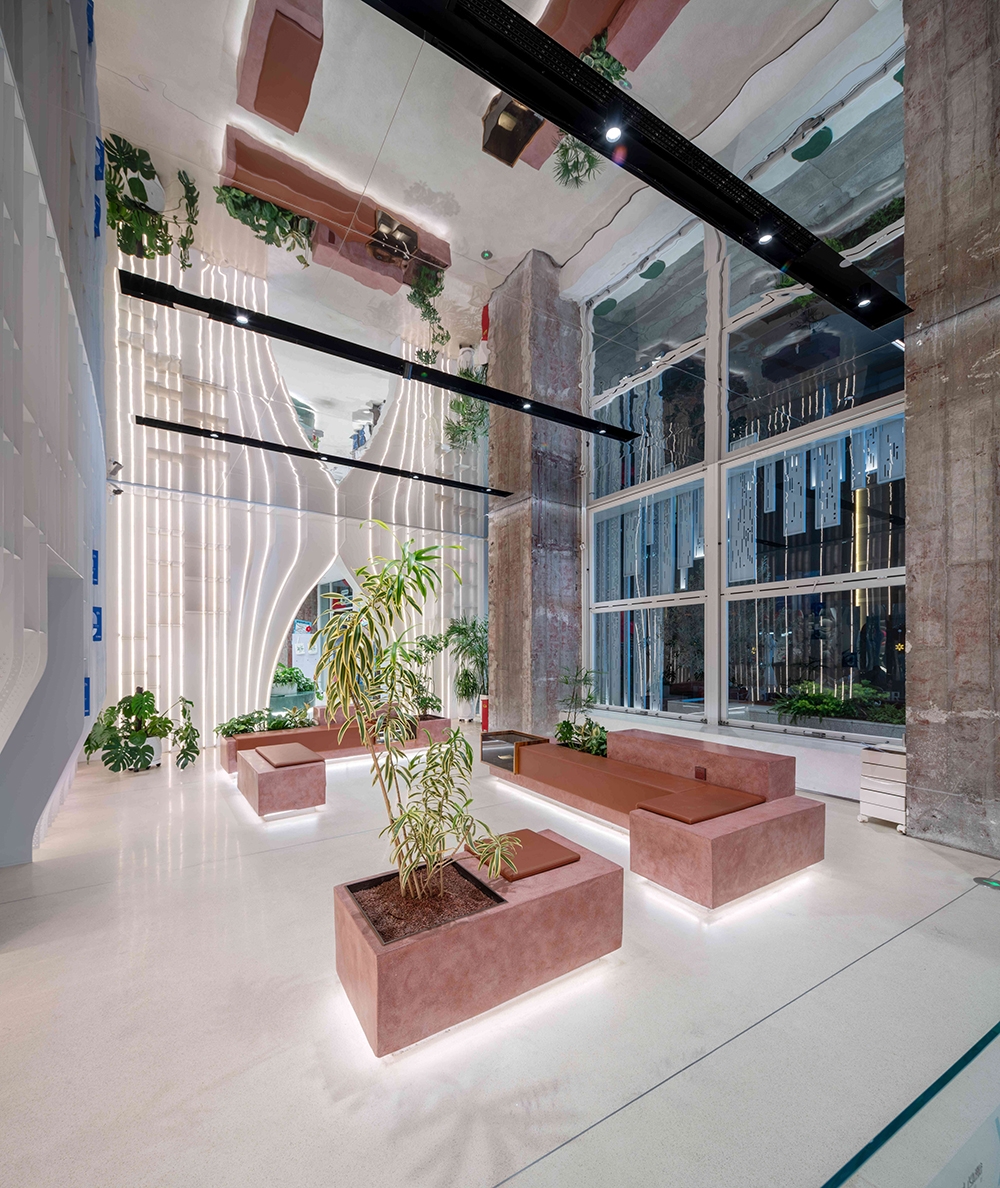
Entry DescriptionThe project, led by Wutopia Lab founder Yu Ting as the chief architect, involved the renovation and updating of the urban project. It has since become a popular spot for social media enthusiasts in Shanghai.
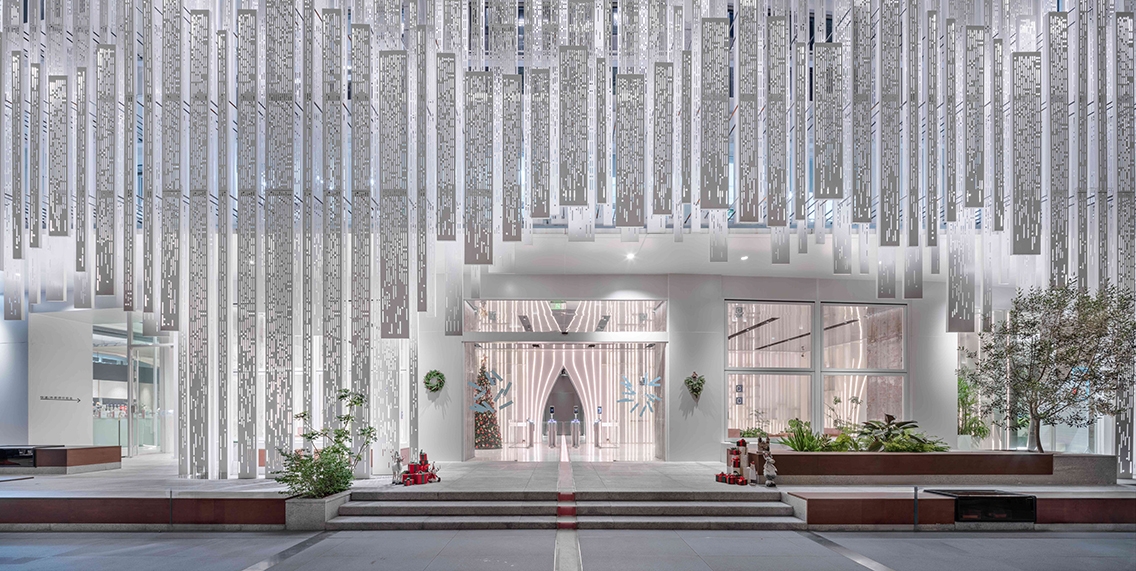
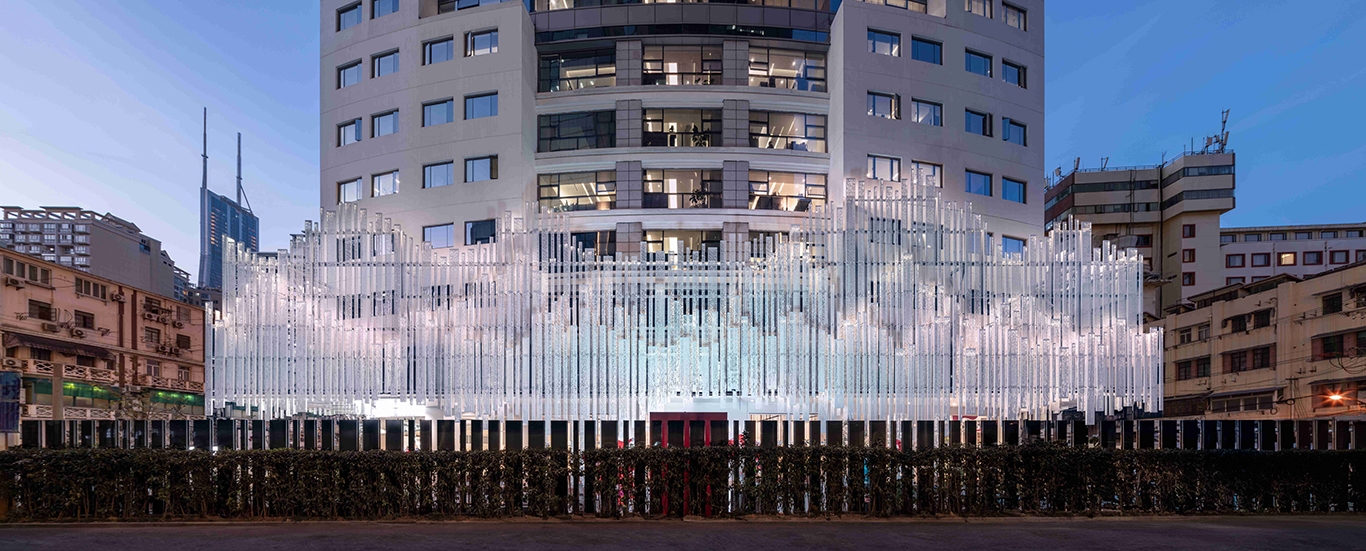
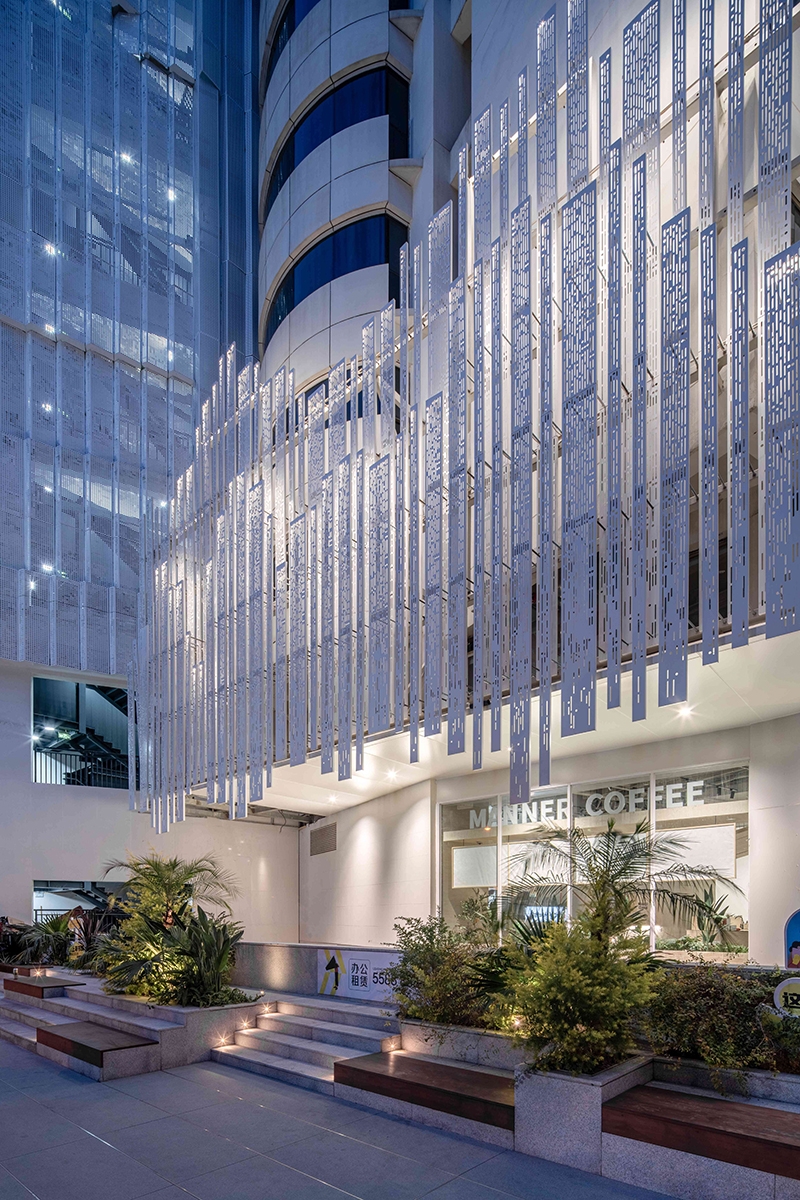
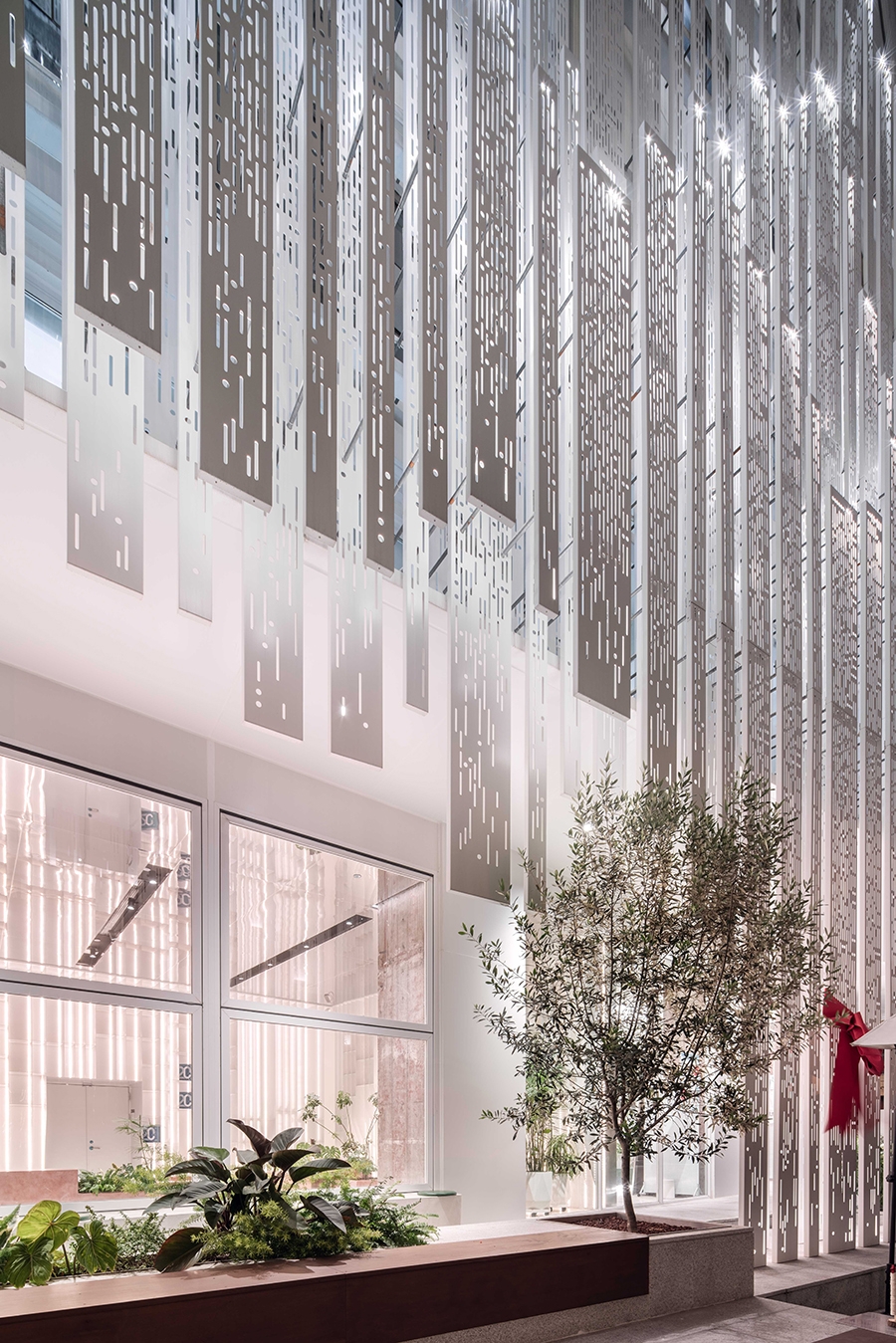
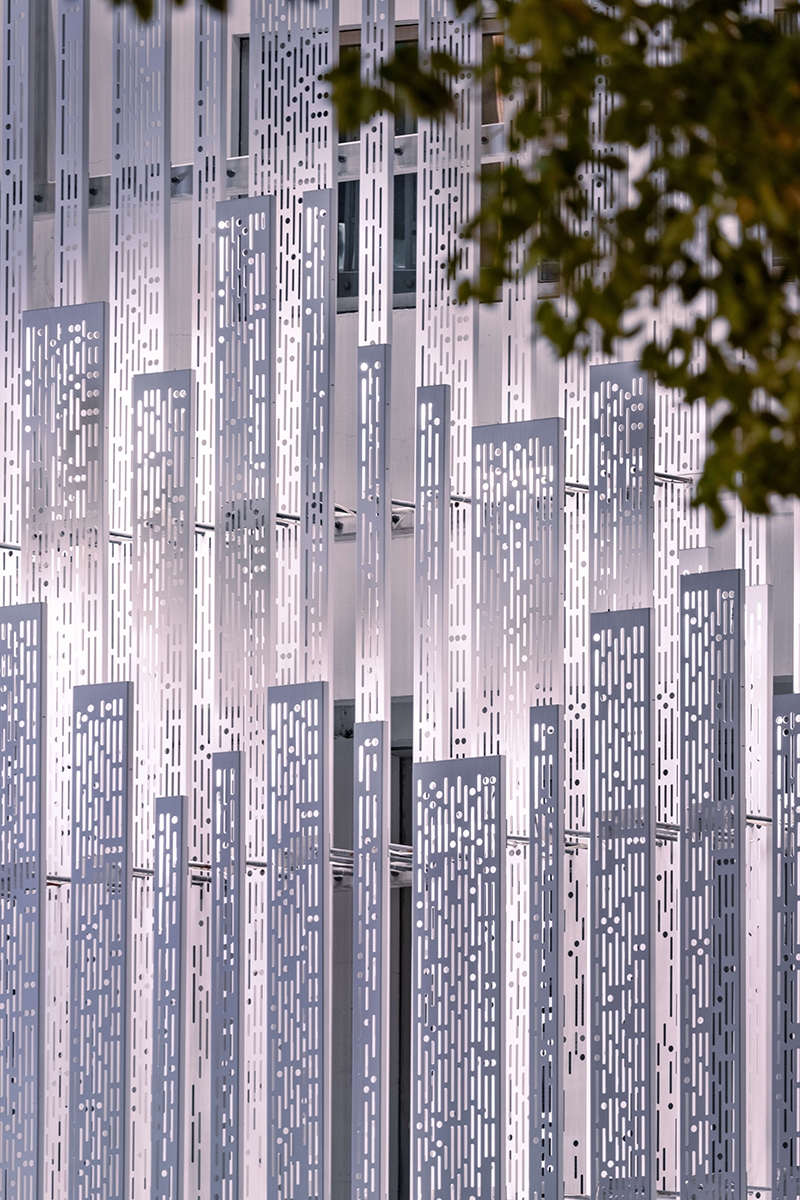
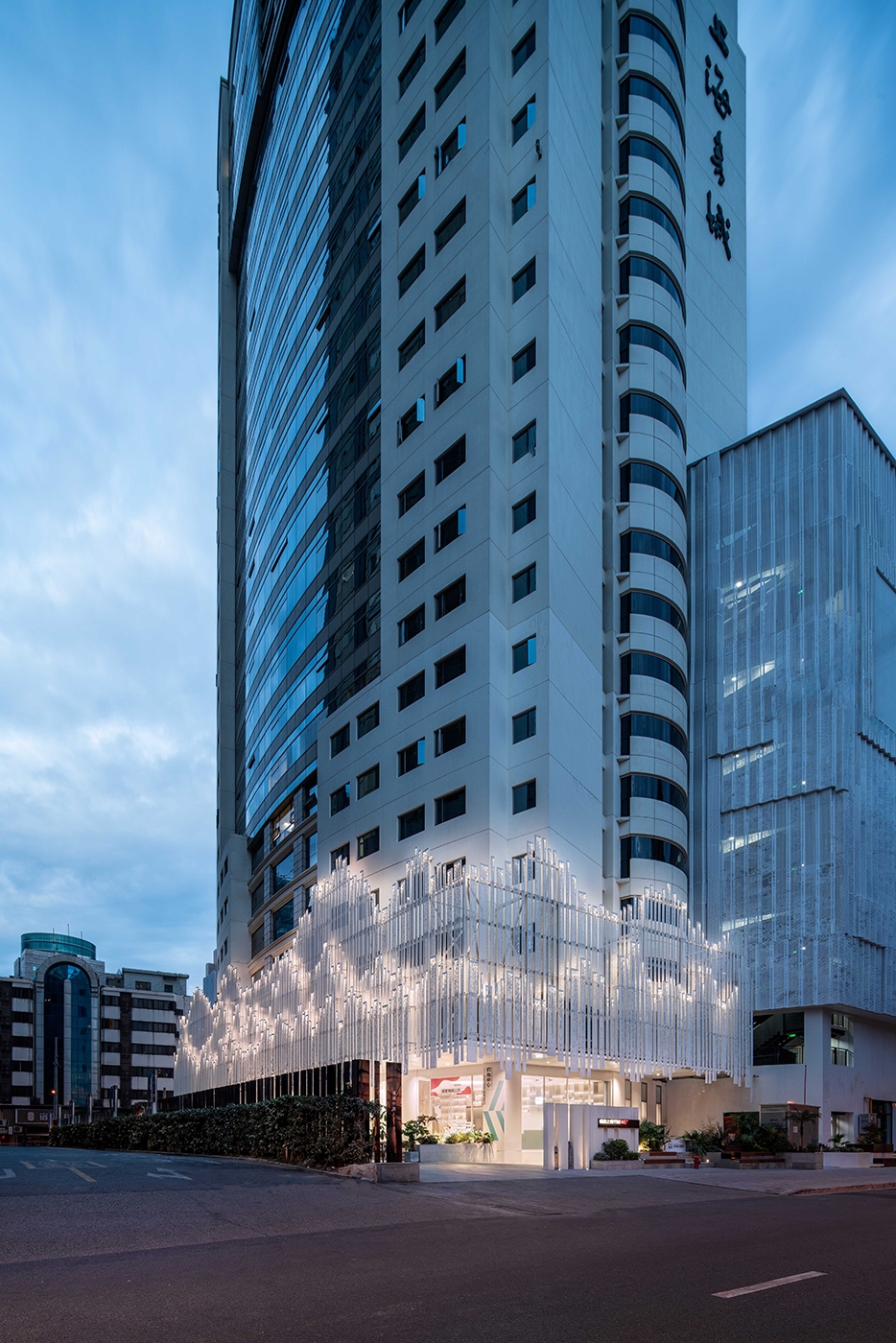
In the exterior design, Yu Ting used a perforated texture representing binary code across the entire facade, creating a "digital stream and electronic rain" effect with a rhythm reminiscent of a symphony. Light emanates through the perforations like shimmering auroras, while the cascading metal bookshelves form a "waterfall of knowledge." In the lighting design, the clever use of light contrast techniques achieves a play of light and shadow, creating a unique "rain of light."
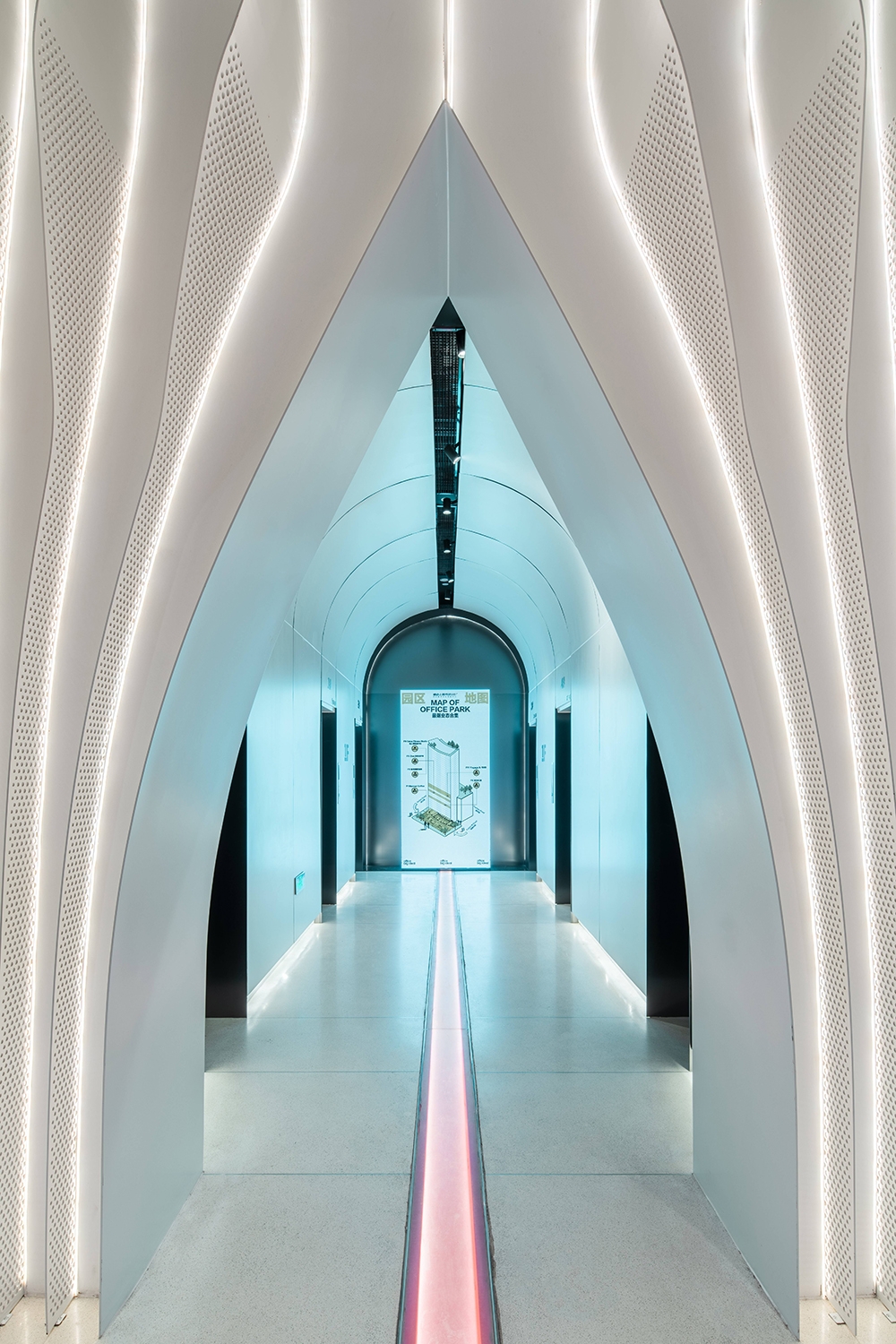
The lighting design interprets the essence of the architecture. In this project, we adhered to the design concept of "creating the best spatial light atmosphere with the fewest fixtures." Specifically, we utilize the reflection and refraction of light within the perforated aluminum panels, creating an interaction between the light and the architectural facade's structural form. This interplay between light and shadow showcases the texture of light and shadow at the boundary of brightness and darkness. At night, the building's exterior transforms from a "steel rain" to a "rain of light," becoming a beautiful landmark in the city.
Sustainability Approach1.Energy Efficiency: Choosing high-efficiency lighting equipment, such as LED lights, can significantly reduce energy consumption and electricity costs.
2.Smart Control Systems: Installing intelligent lighting control systems, such as sensors and timers, to automatically adjust light intensity and switch times, ensuring lighting is used only when needed.
3.Eco-friendly Materials: Using materials with low environmental impact for manufacturing lighting equipment to reduce the use and emission of harmful substances.
4.Zonal Lighting: Designing zonal lighting to ensure that light sources only illuminate areas that need lighting, thereby reducing unnecessary light pollution.
5.Light Pollution Control: Designing fixtures that prevent light spill, reducing adverse effects on the surrounding environment and human health, especially in urban areas.